



Is your garage feeling like an icebox this winter? Heating a garage is essential, not just for comfort but for protecting your vehicles, tools, and stored items from the harsh cold.
In this guide, James Halderthay, founder of Best Electric Radiators and a recognized expert in energy-efficient home heating, walks you through the most cost-effective garage heating options available in the UK with a particular focus on electric garage radiators.
Whether you’re a hobbyist, DIY enthusiast, or simply want to keep your garage above freezing, here’s everything you need to know.
This guide covers why heating your garage matters this winter, compares the best garage heating options, shows you how to choose the right-sized heater for your space, explains how insulation affects your heating costs, and walks you through key safety tips for heating a garage the right way.
How Cold Does a Garage Get in Winter in the UK?
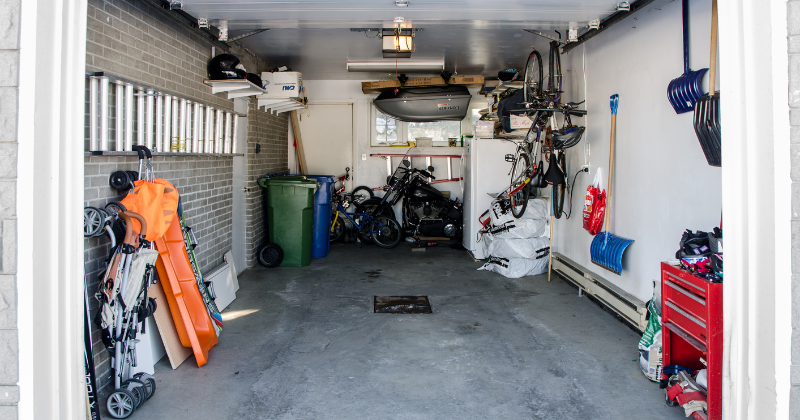
Most UK garages are not built to hold heat. They have thin walls, no insulation, and large doors that let cold air pour in. On a typical winter night in the UK, outside temperatures can drop to around 2-5°C or lower, and an unheated garage will sit just a degree or two above that.
That is cold enough to drain your car battery, freeze pipes, crack paint tins, and make any kind of work in the space feel miserable. The bigger the garage and the fewer walls it shares with your home, the faster it loses heat.
Here is the good news: you do not need to do a full renovation to fix this. The right heater, paired with a few simple draught-proofing steps, can make a real difference fast.
Why Heating a Garage in Winter Is Worth It
Heating a garage isn’t merely a winter luxury but a necessity, especially when protecting items sensitive to cold temperatures. From your car’s battery to any liquid stored, a warm garage helps prevent damage and ensures longevity.
How to keep your garage warm in winter becomes a pertinent question, especially when you’re looking to continue your projects without being hindered by the cold.
Let’s explore some key reasons why a well-heated garage is beneficial and essential.
- Protecting Belongings and Preventing Damage: A warm garage safeguards your car and stored items, preventing damage from freezing temperatures.
- Enhancing Comfort and Productivity: Ensure a cozy, distraction-free workspace that allows you to focus and be more productive in your projects, even in winter.
- Safety for Vehicles: Helping your car start better in winter and maintaining its smooth operation.
- Maintaining Structural Integrity: Prevent issues like damp walls and frosty floors, ensuring your garage stays in good condition.
- Energy Efficiency: Utilize a heater that warms your garage without significantly raising your energy bills.
- Preserving Material Quality: Maintain the quality of materials like paint or wood by preventing the cold from damaging them.
Garage Heating Options: Which System Is Right for You?
Two common choices are electric radiators and gas-fired heaters. However, there are many options, each with its pros and cons. Types of heating systems range from the old-school gas heaters to the newer electric heating systems.
Some might heat your space quickly, while others might save you money in the long run.
It’s worth taking some time to weigh each system’s good and bad points to find the one that’s right for you and your garage.
While some might like the rapid, powerful heat from specific systems, others might prefer options that are a doddle to set up and look after.
| Types of Heating System | Pros | Cons | Ideal For |
| Electric Radiators | Easy install, consistent heat, adjustable settings | It can be pricier to run for long-term investment | All garages, year-round use |
| Gas Heaters | Powerful heat | Tricky setup; needs maintenance | Larger spaces, short-term use |
| Infrared Heaters | Efficient, direct heat | May need multiple units | Workshops, specific areas |
| Portable Heaters | Mobile | Not for larger spaces | Small spaces, occasional use |
| Underfloor Heating | Even heating | Costly to install | New builds, renovations |
For a deeper dive into the types of heating systems available in the UK, check out our detailed guide. Explore the many choices available, understand how they work, and find the one that ticks all your boxes.
Electric Garage Radiators: The Best Way To Heat a Garage in Winter
Winter demands a warm garage, and electric garage radiators deliver and work effectively. Suppose you’re wondering how to keep your garage warm in winter. Electric radiators are a top choice in that case, providing steady, easy-to-manage warmth and becoming a favorite for many.
These radiators work well in garages of all sizes, ensuring consistent heat whether your space is big or small. So, when it’s time to heat the garage in winter, these radiators make sure every part of your space is warm, protecting your items and offering a cozy workspace during the cold months.
When finding a heater to keep the garage above freezing, electric radiators are smart with energy. They warm your garage without hiking up your energy bills and are easy to install and maintain, proving themselves as a trustworthy garage heating system year after year.
Are Electric Garage Heaters Energy Efficient?
Electric garage radiators are all about great heating without high costs. They’re designed to warm your garage efficiently without using loads of energy. Their easy-to-use controls and handy features make them popular for many garage owners.
Comparing electric and gas heating? Electric radiators are easy to install and don’t need much looking after. While gas heating can provide vital warmth, it often needs a trickier setup and regular checks to keep it running safely.
Check out our guide on electric vs gas heating for a detailed look at both options, helping you choose wisely.
Optimizing Your Garage With Electric Radiators
In the chilly winter, heating a garage becomes paramount, and electric radiators shine as a top-notch choice due to their efficiency and economical operation.
Suppose you’re deliberating on how to keep your garage warm in winter. In that case, weighing both the immediate warmth and the ongoing costs is crucial.
Electric radiators deliver a steady, reliable heat source without your energy bills soaring, ensuring your garage stays a cozy, usable space even in the coldest temperatures.
Here’s a snapshot of why electric radiators are a wise selection:
| Feature | Benefit | Additional Information |
| Energy-Efficient | Keeps bills low | It utilizes less power to produce efficient heat, reducing energy consumption and saving on electricity bills. |
| Consistent Heat | No cold spots | Distributes heat evenly across the garage, ensuring no area is left chilly. |
| Low Maintenance | Less hassle and costs | Minimal upkeep required, with no need for regular servicing or complex care routines. |
| Easy to Install | No need for professional help | Simple installation processes mean you can set them up yourself without requiring expert installation. |
| Adjustable Settings | Control your comfort level | Features like thermostats and timers allow you to customize heating schedules and temperatures to suit your needs. |
What Size Heater Do I Need for My Garage?
Getting the right size heater is the single most important decision you will make. Too small, and your garage stays cold. Too large, and you waste money on energy you do not need.
A simple rule of thumb: use 120 watts per square meter for a garage with basic insulation.
Here is a quick guide:
|
Garage Size |
Recommended Wattage |
|
Up to 10m² |
1,200 W |
|
10 to 15m² |
1,500 W |
|
15 to 20m² |
2,000w |
|
Up to 40m² |
2x 2,000 W |
Not sure about your garage size? Multiply the length by the width to get your square meters. A standard single UK garage is roughly 3m x 6m (around 18m²), so a 2,000-w radiator covers it well. Smaller or integral garages attached to the house may measure closer to 2.4 m x 5 m (12 m²), in which case a 1,500 W model works fine.
Considering the size of your garage and the heating capacity needed is vital. Calculate your heating needs and get a garage heater that’s big enough to heat the space.
Wall-Mounted vs Plug-In Electric Radiators for Garages
Both options work well in a garage. The right choice depends on how you use the space.
Wall-mounted radiators are fixed to the wall via a fused spur. They are neat, permanent, and ideal for garages you use regularly or have converted into a workshop.
Plug-in radiators connect to a standard 13-amp socket. You can move them around or remove them in summer – a great fit for rented spaces or occasional use.
|
Wall-Mounted |
Plug-In |
|
|
Installation |
Any socket |
|
|
Best for |
Regular use |
Occasional use |
|
Flexibility |
Low |
High |
Both types come in up to 2,000W with smart controls and programmable timers.
The Original Slimline Curve Electric Radiator
Available from 600 W to 2000 W, the Slimline Curve is one of the best-selling electric radiators in the UK, having been bought over 300 times recently. At just 51mm slim, it sits flat against the wall, comes in white or anthracite, and uses a blend of convection and radiant heat for fast, even warmth throughout your garage. The built-in thermostat keeps temperatures steady without wasting energy.
Best for: Single or double garages and workshops used regularly.
The Original Slimline Curve WiFi Electric Radiator
The WiFi version adds full smart control via the iHeat app, Amazon Alexa, or Google Assistant. Preheat your garage before you arrive, set daily schedules, or turn it off remotely if you forget. Same slim 51mm design and convection-radiant heat as the standard Curve, just with complete remote control built in.
Best for: Anyone who wants to preheat their garage or manage their heating from anywhere.
Electric Garage Radiators vs Other Heating Options
Before you commit to any heating system, it is worth looking at the numbers. Here is how electric garage heaters stack up against the other common options.
|
Heating Type |
Upfront Cost |
Running Cost |
Installation |
Maintenance |
|
Low to mid |
Low |
Easy, DIY-friendly |
Minimal |
|
|
Gas Heater |
Mid |
Low to mid |
Complex, needs an engineer |
Regular servicing |
|
Infrared Heater |
Low to mid |
Low |
Easy |
Minimal |
|
Portable Heater |
Low |
Mid to high |
None needed |
None |
|
High |
Low |
Disruptive, professional only |
Low |
Electric radiators are highly efficient to run because every unit of electricity you pay for becomes heat in the room, rather than being lost up a flue or through long stretches of pipework like with gas systems. There are no installation costs beyond a basic socket or fused spur. There is no engineer needed, no annual service, and no gas line to run to a detached garage. The smart controls also mean the heater only runs when you need it, which cuts waste significantly.
A 2000W electric radiator running at full power for 4 hours a day, at the current UK average electricity rate of around 25p per kWh, works out at roughly £2 a day at absolute maximum. With a programmable timer and thermostat, real-world usage usually comes in well below that maximum, bringing the daily cost down further.
Gas heating may have lower running costs, but connecting a detached garage to a gas supply can cost thousands of pounds in pipework alone. For most homeowners, electric wins on total cost.
How to Insulate Your Garage to Improve Heating Efficiency
Keeping your garage warm involves more than selecting the right heater to keep the garage above freezing. Effective insulation is pivotal in maintaining warmth and ensuring that your garage heating system operates efficiently.
Good insulation boosts your garage heating system, ensuring the heat from your electric radiator doesn’t escape through leaks or poor insulation.
To understand how effective different insulation materials are, learn more about U-values here. Different insulations do different jobs and have their pluses and minuses. From blanket insulation to loose fill, each type is best for different parts of your garage.
Where Do Garages Lose the Most Heat?
Heat escapes through the largest and most exposed surfaces first. Here is where to look:
- Garage door: The biggest culprit – large surface area with gaps around the edges and bottom
- Roof and ceiling: Warm air rises and escapes fast through an unlined roof
- Walls: Especially on detached garages, where all four sides face the cold
- Windows and door frames: Smaller gaps but still worth sealing
Fix these in order of size, and you will notice the difference straight away.
How to Insulate a Garage Cheaply in the UK
Start with the easiest, cheapest fixes first:
- Threshold seal (£10–£20): Blocks cold air under the garage door
- Brush strips (£5–£15): Seal gaps around the door frame
- Door insulation panels (£30–£50): Pre-cut foam or PIR kits for up-and-over doors
- Mineral wool rolls: Affordable and easy to fit between wall and ceiling studs
- PIR foam boards: Stronger insulation at the same thickness, slightly higher cost
Always use a breathable membrane behind wall linings to stop moisture from getting trapped.
Is It Worth Insulating a Garage Door?
Yes. It is the single most cost-effective upgrade you can make, as the door is the main source of heat loss.
A DIY foam panel kit takes around an hour to fit and cuts how long your heater needs to run. Add weatherstrip seals around the frame at the same time for even better results. If you are doing a full conversion, a thermally broken, insulated door is worth the investment.
Tips for Optimizing Insulation in Your Garage
When you’re keen on heating a garage to transform it into a usable space during winter, insulation becomes a key player in sustaining the warmth and preventing the chilly air from seeping in.
Here are some straightforward tips to enhance the insulation in your garage, ensuring that you can heat the garage in winter effectively:
- Seal the Gaps: Ensure no gaps or cracks allow cold air in.
- Garage Door Insulation: Consider insulating the garage door to prevent heat loss.
- Use Quality Material: Choose insulation materials with a good R-value for better thermal resistance.
- Insulate Walls and Ceiling: Don’t forget to insulate the walls and ceiling for comprehensive coverage.
- Weatherstripping: Apply weatherstripping around doors and windows to prevent drafts.
- Floor Insulation: Consider insulating the floor if you spend much time in the garage.
- Regular Checks: Periodically check the insulation for wear and tear and replace it if needed.
How to Heat a Poorly Insulated Garage
Not everyone can insulate their garage straight away. Rented spaces, listed buildings, or garages with recent plasterwork can make insulation tricky or expensive to add.
The good news is that a well-chosen electric radiator can still heat a poorly insulated garage effectively. The Slimline Curve radiators are available up to 2000W and are specifically designed to compensate for heat loss in spaces like garages and workshops. The key is going for a higher wattage than you might normally need for the square footage.
A few extra steps also help a lot without any major work:
- Add a door threshold seal to block the biggest draught
- Use a programmable timer so the garage heats up before you arrive
- Set an anti-frost mode to keep the temperature above 5°C overnight, which reduces the energy needed to warm the space each morning.
The anti-frost function on the Slimline Curve radiators does this automatically. It monitors the room temperature and steps in before it drops too low, so you never walk into a freezing garage again.
Safety Considerations When Heating a Garage
Heating a garage is safe when you use the right equipment. Here are the key rules to follow:
- Ventilation: Fuel-burning heaters like propane or kerosene produce carbon monoxide. Always keep a window or door slightly open and fit a carbon monoxide detector. Electric radiators produce no fumes at all, making them the safer choice.
- Flammable materials: Keep any heater at least one meter away from petrol, paint, and solvents. Never drape cloths or rags over a heater to dry them.
- Use the right heater: Standard domestic heaters are not built for garage conditions. Use a heater rated for garage use that can handle dust, dampness, and temperature swings. The Slimline Curve range includes built-in overheat protection and a thermal safety limiter for exactly this reason.
Final Thoughts on Heating a Garage Effectively This Winter
Keeping your garage warm during the winter is vital, and electric garage radiators are a standout choice, offering reliable and steady heat without a high cost.
If a cold garage makes your winters difficult, it might be time to explore our electric garage radiators. They’re designed to bring consistent warmth to your space, ensuring your garage is comfortable throughout the winter.
Our team is ready to guide you through the options, especially when it comes to heating a garage in winter, ensuring you select the perfect heating solution tailored to your needs.
Please contact us if you need assistance choosing the best heater to keep the garage above freezing.
FAQs
Is it safe to leave a garage heater on overnight?
Electric radiators with a built-in thermostat and anti-frost mode are safe to leave running overnight. The thermostat only draws power when the temperature drops below the set point, so running costs stay low too.
How do I keep my garage above freezing in winter?
Set your electric radiator to anti-frost mode. It monitors the room temperature and kicks in automatically before it drops below 5°C, protecting your car, tools, and stored items without running all night at full power.
Do I need a professional to install an electric garage radiator?
No. Wall-mounted electric radiators connect to a standard fused spur, which most competent DIYers can fit. Plug-in models need no installation at all, just plug in and go.
How long does it take to heat a garage with an electric radiator?
It depends on the size of the garage and how well insulated it is. A 2,000W radiator in a standard single garage with basic draught-proofing will bring the temperature up to a comfortable level in around 20 to 40 minutes. With a WiFi model, you can set it to come on before you arrive, so the garage is already warm when you need it.
What is the best type of heater for a garage?
An electric radiator works well for background heat, keeping the space at a steady working temperature throughout the day. If you need instant warmth in a specific spot, pair it with an infrared panel heater. Electric radiators also produce no fumes or dust, which matters in a workshop environment.







Leave a Reply