


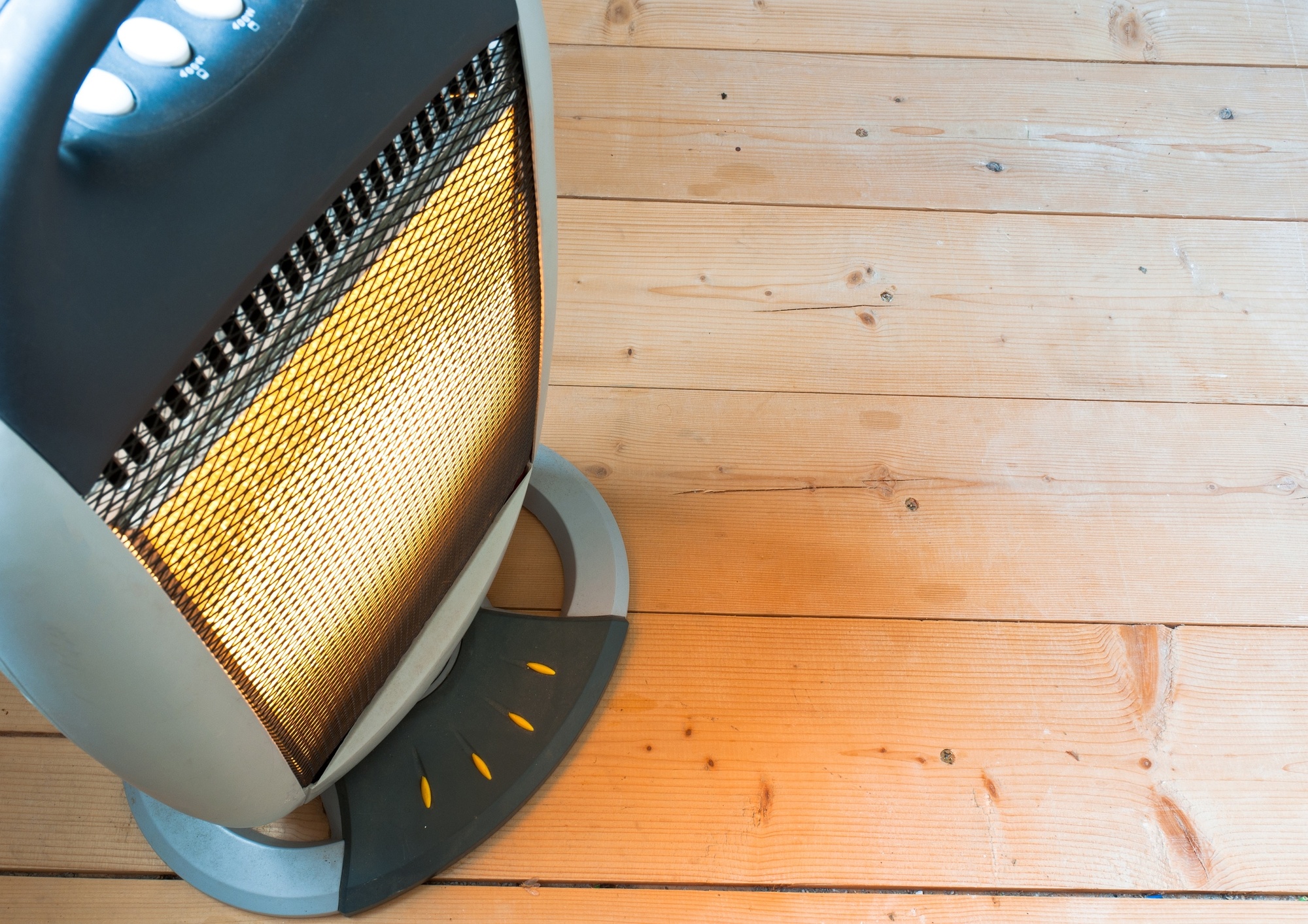
Are you tired of chilly rooms and confusing heating options? Choosing the right electric heater for your home doesn’t need to be complicated. Whether you’re looking to warm up a cold bedroom, heat a conservatory, or find an energy-efficient alternative to gas central heating, the perfect electric radiator can transform your comfort while keeping energy bills manageable.
At Best Electric Radiators, we’ve been helping UK homeowners find ideal heating solutions for over a decade. From ultra-slim wall-mounted electric radiators to smart WiFi-enabled models, we understand that every home has unique heating requirements. This comprehensive guide walks you through everything you need to know to make a smart choice that suits your space, budget, and lifestyle.
Why Choose Electric Heating?
Electric heating has become increasingly popular among UK homeowners for several compelling reasons:
- 100% Energy Efficient at Point of Use: Every unit of electricity consumed by electric radiators converts directly into heat. Unlike central heating systems, where warmth can be lost through pipes and boilers, electric radiators deliver all their energy exactly where you need it.
- Environmentally Friendly Option: As the UK’s electricity grid increasingly runs on renewable sources, electric heating represents a cleaner future. Electric radiators produce no direct emissions and can be powered entirely by green energy.
- Simple Installation: Most electric radiators need no plumbing or complex setup. Many models simply plug into a standard socket, while wall-mounted units typically require only basic electrical connections.
- Room-by-Room Control: Unlike central heating, which warms your entire home regardless of which rooms you’re using, electric radiators allow you to heat only the spaces you’re occupying. This targeted approach significantly reduces energy waste and running costs.
- Minimal Maintenance: Electric radiators require very little upkeep compared to gas systems. There’s no annual servicing, no bleeding radiators, and no boiler maintenance to worry about.
Types of Electric Radiators: Which One to Choose?
Understanding the different types available will help you choose the best option for your specific needs.
Panel Radiators (Dry Thermal)
Panel or dry thermal electric radiators use dry thermal technology to provide quick, responsive heating through a combination of radiant heat and gentle convection.
Best Uses: Living rooms, bedrooms, offices, and any space requiring quick heat-up times
Key Features:
- Ultra-slim profiles
- Lightweight design
- Rapid response to temperature changes
| Pros | Cons |
| Heat up quickly | Cool down faster when switched off |
| Responsive to temperature changes | May not suit very large spaces |
| Lightweight and slim design | |
| Energy efficient operation | |
Why Choose BER Panel Radiators:
Our Slimline Curve electric radiators are among the UK’s slimmest at just 51mm deep, featuring advanced dry thermal technology that heats rooms exceptionally quickly while maintaining precise temperature control.
Oil-Filled Radiators
Oil-filled electric radiators contain thermal oil heated by an electric element, providing long-lasting warmth that continues even after the unit switches off.
Best Uses: Larger rooms, spaces requiring consistent background heat, bedrooms for overnight heating
Key Features
- Heat retention
- Silent operation
- Steady temperature maintenance
| Pros | Cons |
| Retain heat after switching off | Slower to heat up initially |
| Silent operation | Heavier than other types |
| Gentle, consistent warmth | Take up more space |
| Good for larger spaces |
Why Choose BER Oil-Filled Models:
Our Comfort Control oil-filled radiators combine traditional heat retention with modern programmable controls, allowing you to schedule heating around your lifestyle while benefiting from extended warmth periods.
Ceramic Core Radiators
Ceramic core electric radiators use ceramic elements that heat up quickly and retain warmth effectively, offering a balance between rapid heating and heat retention.
Best Uses: Medium to large rooms, spaces with good insulation, areas requiring both quick heating and heat retention
Key Features
- Balanced heating performance
- Good heat retention
- Durable ceramic elements
| Pros | Cons |
| Quick heat-up time | More expensive than basic models |
| Good heat retention | Heavier than panel radiators |
| Durable ceramic elements | |
| Suitable for larger spaces |
Why Choose BER Ceramic Models:
Our Comfort Control ceramic radiators offer the perfect balance of quick response and heat retention, with programmable controls that maximise efficiency.
Electric Towel Rails
Specifically designed for bathrooms, electric towel rails provide both room heating and towel warming functionality.
Best Uses: Bathrooms
Key Features:
- Dual functionality
- Moisture resistance
- Space-efficient design
| Pros | Cons |
| Warm towels and room simultaneously | Limited heating capacity |
| Space-efficient design | Primarily suited to bathrooms |
| Moisture-resistant construction | |
| Available in various styles |
Why Choose BER Towel Rails
All our towel rails feature IP65 rating for bathroom safety, with programmable controls and efficient heating elements that provide reliable performance in humid conditions.
Key Features to Consider When Buying an Electric Heater
- Wattage & Room Size
Choosing the correct wattage is crucial for efficient heating. As a general rule, you’ll need approximately 100 watts per square metre to heat a room to 21°C.
Room Size Examples:
- 10m² room = 1000W radiator
- 15m² room = 1500W radiator
- 20m² room = 2000W radiator
However, several factors can affect this calculation:
- Ceiling height: Higher ceilings require additional wattage
- Insulation quality: Well-insulated rooms need less power
- Number of external walls: More external walls increase heat loss
- Room type: Bathrooms typically need higher wattage than bedrooms
- North-facing rooms: Less natural sunlight requires more heating power
- Thermostats and Temperature Control
Modern electric radiators offer various thermostat options:
- Built-in Digital Controls: Precise temperature setting with easy-to-read displays
- Smart Thermostats: WiFi-enabled controls accessible via smartphone apps
- Programmable Timers: 24/7 scheduling for maximum efficiency
At Best Electric Radiators, our smart electric radiators feature precision thermostats that maintain your desired temperature within 0.5°C, significantly reducing energy consumption compared to basic on/off controls.
- Smart Features
WiFi electric radiators offer unprecedented control and efficiency:
- Remote Control: Adjust heating from anywhere via smartphone app
- Voice Control: Compatible with Google Assistant and Alexa
- Usage Monitoring: Track energy consumption and costs
- Geofencing: Automatically adjust heating based on your location
- Multi-zone Control: Manage multiple radiators from one app
- Timer & Scheduling
Programmable timers allow you to:
- Heat rooms only when needed
- Warm spaces before you arrive home
- Reduce heating during sleeping hours
- Create different schedules for weekdays and weekends
This precise control can reduce energy consumption by up to 30% compared to manual operation.
- Portability vs Fixed Installation
Freestanding Models:
- Easy to move between rooms
- No installation required
- Plug-and-play convenience
- Ideal for temporary heating needs
Wall-Mounted Models:
- Space-saving design
- Permanent heating solution
- More powerful heating capacity
- Professional appearance
Many of our radiators can be used both ways – wall-mounted for permanent installation or with optional feet for freestanding use.
Choosing the Right Size & Wattage for Your Room
Calculating the correct wattage ensures optimal comfort and efficiency. Here’s how to determine your needs:
Basic Calculation
Room area (m²) × 100W = Required wattage
Adjustment Factors
Add extra wattage for:
- High ceilings (over 2.4m): Add 10% per additional 30cm
- Poor insulation: Add 25-50%
- Multiple external walls: Add 20%
- North-facing rooms: Add 15%
- Conservatories: Add 50-100%
Room-Specific Recommendations
- Living Rooms: 100-120W per m² (higher for comfort)
- Bedrooms: 80-100W per m² (lower overnight temperatures)
- Bathrooms: 120-150W per m² (higher for comfort and moisture control)
- Kitchens: 80-100W per m² (heat from cooking appliances)
- Hallways: 80-100W per m² (transitional spaces)
BER Tip: Use our online wattage calculator to get precise recommendations based on your specific room characteristics.
Electric Radiator Efficiency
Electric radiators are 100% efficient at converting electricity to heat, but overall efficiency depends on how and when you use them.
Maximising Efficiency
- Smart Controls: Precision thermostats prevent overheating and reduce cycling
- Zonal Heating: Heat only occupied rooms
- Proper Sizing: Correctly sized radiators operate more efficiently
- Good Insulation: Reduces heat loss and energy requirements
- Programmable Schedules: Automatic operation prevents waste
Running Cost Calculations
Based on current UK electricity prices (approximately 25p per kWh):
- 1000W radiator: 25p per hour at full power
- Actual cost: In well-insulated rooms, radiators typically operate at 25% duty cycle
- Real running cost: Approximately 6.25p per hour
Example Daily Costs:
- 600W radiator: 3.75p per hour (typical bedroom)
- 1000W radiator: 6.25p per hour (typical living room)
- 1500W radiator: 9.4p per hour (large room or conservatory)
BER Efficiency Advantage: Our radiators feature advanced heat retention technology and precision controls that can reduce energy consumption by up to 30% compared to basic electric heaters. Smart scheduling and responsive thermostats ensure you’re only using energy when and where it’s needed.
Safety Features & Certifications
Modern electric radiators include numerous safety features to ensure worry-free operation.
Essential Safety Features
- Overheat Protection: Automatic shutdown if internal temperature exceeds safe limits
- Child Locks: Prevent accidental temperature changes
- Tip-Over Switches: Automatic shutdown if freestanding units are knocked over
- Cool-Touch Surfaces: Safe surface temperatures even during operation
- Thermal Cutouts: Additional protection against overheating
IP Ratings for Bathroom Use
For bathroom installation, look for appropriate IP (Ingress Protection) ratings:
- IP44: Splash-proof, suitable for most bathroom locations
- IP65: Water-jet proof, suitable for shower areas
Certifications to Look For
- EcoDesign Lot 20 Compliance: Ensures energy efficiency standards
- CE Marking: Confirms European safety standards
- UKCA Marking: UK conformity assessment post-Brexit
- RoHS Compliance: Restriction of hazardous substances
BER Safety Standards: All our electric radiators meet or exceed UK safety requirements, with built-in protection mechanisms and rigorous testing to ensure reliable, safe operation in your home.
Cost & Value for Money
Understanding both upfront and running costs helps you make an informed investment decision.
Initial Investment
- Basic Models: £100-300 per radiator
- Smart Models: £200-500 per radiator
- Designer Models: £300-800 per radiator
Running Cost Factors
- Electricity Rate: Currently averaging 25p per kWh
- Usage Patterns: How often and for how long you heat each room
- Room Insulation: Better insulation reduces running costs
- Thermostat Accuracy: Precise controls reduce energy waste
- Scheduling: Automated operation prevents unnecessary heating
Long-Term Value
- No Installation Costs: Many models plug into existing sockets
- No Maintenance Costs: Minimal upkeep requirements
- Zonal Control: Heat only what you need
- Smart Features: Optimise usage automatically
- Reliability: Quality units last 15-20 years
BER Value Proposition: Our radiators typically operate at just 25% duty cycle in well-insulated rooms, significantly reducing running costs compared to basic electric heaters. Combined with smart controls and precision thermostats, this can result in 30% lower energy consumption than standard electric heating.
Frequently Asked Questions
How much electricity does an electric radiator use?
A 1000W electric radiator uses 1 unit (kWh) of electricity per hour when running at full power. However, modern thermostatic controls mean radiators cycle on and off, typically using 25-40% of their rated power in normal operation.
Are electric radiators more efficient than gas heating?
Electric radiators are 100% efficient at point of use, while gas central heating systems typically achieve 80-90% efficiency. However, electricity costs more per unit than gas, so running costs depend on usage patterns and energy prices.
Can I leave my electric radiator on overnight?
Modern electric radiators with proper safety features can be left on overnight. Look for models with accurate thermostats, overheat protection, and timer controls for safe, efficient overnight operation.
Do electric radiators need their own circuit?
Most electric radiators under 3kW can plug into standard 13A sockets. Higher-powered units or multiple radiators may require dedicated circuits installed by a qualified electrician.
What’s the difference between oil-filled and panel radiators?
Oil-filled radiators retain heat longer after switching off but take longer to warm up. Panel radiators heat up quickly and respond faster to temperature changes but cool down more rapidly when switched off.
How long will my electric radiator last?
Quality electric radiators typically last 15-20 years with proper care. The heating elements are usually the longest-lasting components along with the thermostats and controls however it is rare for anything to fail if they have been looked after.
Are there eco-friendly options for electric heating?
All electric radiators can be eco-friendly when powered by renewable electricity. Look for models with smart controls, accurate thermostats, and energy-efficient features to minimise consumption.
Can I use an electric radiator in the bathroom?
Yes, but choose models with appropriate IP ratings (IP44 minimum, IP65 for shower areas). Electric towel rails are specifically designed for bathroom use and provide both heating and towel warming.
Do BER radiators have smart features?
Many of our radiators feature WiFi connectivity, smartphone app control, voice assistant compatibility, and programmable scheduling. Our smart models can be controlled remotely and integrate with home automation systems.
How do I install an electric radiator?
Plug-in electric radiators require no installation – simply plug into a standard socket. Wall-mounted units need basic electrical connections and wall mounting, which can be DIY for competent individuals or professionally installed.
Conclusion
Choosing the right electric radiator involves balancing your heating needs, budget, and desired features. Consider your room sizes, usage patterns, and whether smart controls would benefit your lifestyle. Remember that the most efficient radiator is one that’s properly sized for your space and used with appropriate controls.
The key factors to remember:
- Calculate wattage based on room size and characteristics
- Choose the heating type that matches your needs (quick response vs heat retention)
- Consider smart features for maximum efficiency and convenience
- Prioritise safety features and proper certifications
- Factor in both purchase price and running costs
Ready to find the perfect heating solution for your home? At Best Electric Radiators, we offer a comprehensive range of energy-efficient, smart-controlled electric radiators designed for modern UK homes. From our ultra-slim Slimline Curve radiators to our versatile Comfort Control range, we have options to suit every space and budget.






Leave a Reply