


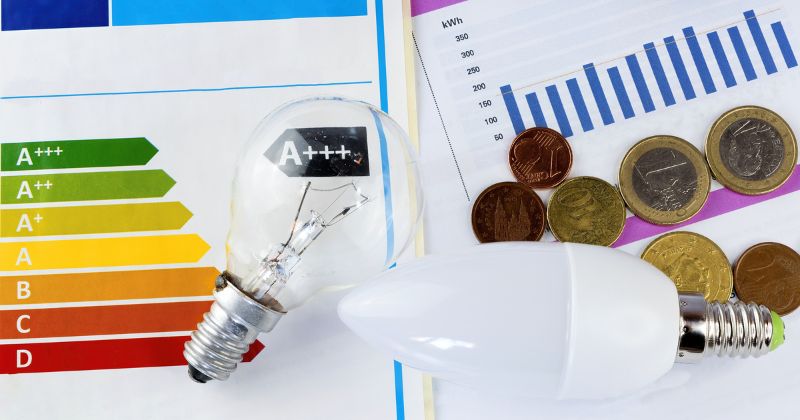
With energy bills dominating household budgets and the push towards electric heating gaining momentum, many UK homeowners are asking the same question: are electric radiators actually affordable to run? The short answer might surprise you – modern electric radiators are far more economical than most people think.
At Best Electric Radiators, we’ve been helping customers understand heating costs for over a decade. After selling more than 100,000 radiators and receiving countless questions about running costs, we decided to put the numbers to the test with our own independent study. What we discovered challenges many common assumptions about electric heating.
What Are Electric Radiators?
Electric radiators are great at heating rooms. They use radiant and convective heat, which means they warm up the air and the room evenly. This removes cold spots and ensures the room stays at your desired temperature.
One of the best things about electric radiators is how efficient they are. They have digital thermostats that let you control the temperature very precisely. You can set them to heat your home just when needed and turn down the heat when you don’t. This helps not to waste energy.
There are many types of electric radiators to choose from. Some have a sleek, modern look that fits right in with your home. Others are smart radiators that you can control with Wi-Fi. Putting them up is easy – hang them on the wall with the template they come with and plug them in. As we look into how much it costs to run electric radiators and if electric heaters use a lot of electricity in the UK, we see that their innovative technology and how you can control them are crucial to keeping costs down.

Are Electric Radiators Expensive to Run?
No – not if you choose modern, smart electric radiators that are properly sized for your space.
The confusion often stems from outdated information about older electric heaters or basic plug-in units that lack smart controls. Today’s advanced electric radiators use sophisticated technology to minimise energy consumption while maintaining comfortable temperatures.
Here’s the key difference: modern electric radiators don’t run continuously. They cycle on and off based on room temperature, typically operating for just one-third of the time they’re switched on. This dramatically reduces actual running costs compared to simple calculations based on full-time operation.
How Much Electricity Do They Use?
Understanding Kilowatts
Electric radiators are rated by their maximum power consumption, measured in watts (W) or kilowatts (kW). A 1000W radiator equals 1kW, which would use 1 kilowatt-hour (kWh) of electricity if it ran continuously for one hour.
The 1/3 Runtime Rule
Here’s where it gets interesting. Modern electric radiators like those in our shop don’t actually run for a full hour when you set them for 60 minutes. Instead, they:
- Heat up quickly to your target temperature
- Switch off automatically when reached
- Cycle back on only when the room temperature drops
- Typically run for about 20 minutes out of every hour (1/3 of the time)
This intelligent cycling is what makes modern electric radiators so much more efficient than basic heaters that run constantly.
| Cost Factor | Initial Purchase | Long-Term Expenses |
| Type of Radiator | Price varies by model (convection, oil-filled, infrared, etc.) | Dependent on model’s energy consumption rate |
| Wattage | Higher upfront cost for more powerful models | Higher wattage increases electricity usage and costs |
| Usage Frequency | One-time purchase cost | Frequent use leads to higher electricity bills |
| Electricity Rates | Not applicable, as electricity rates do not affect the initial cost of the radiator itself. | Varies by region, directly impacting running costs |
| Thermostat Settings | Not applicable, since thermostat settings are a matter of usage preference. | Higher settings lead to increased energy use |
| Room Insulation | Not applicable, as the level of room insulation does not impact the purchase price of the radiator. | Well-insulated rooms can lower heating needs, reducing costs |
| Heater Efficiency | More efficient models may have a higher initial cost | High-efficiency heaters can reduce long-term electricity costs. |
The information provided is a general guide and may not cover all individual scenarios. Costs can vary based on location, usage, and radiator model. For precise cost estimates, consider a personalised assessment.
How Much Does It Cost to Run an Electric Radiator?
Based on the current UK average electricity rate of 25p per kWh, here are the real-world hourly costs:
Hourly Cost Table
|
Radiator Size |
Full Power Cost | Actual Cost (1/3 runtime) |
| 600W | 15p/hour | 5p/hour |
| 900W | 22.5p/hour | 7.5p/hour |
| 1000W | 25p/hour | 8.3p/hour |
| 1200W | 30p/hour | 10p/hour |
| 1500W | 37.5p/hour | 12.5p/hour |
| 2000W | 50p/hour |
16.7p/hour |
Monthly & Annual Usage Examples
Based on our internal study tracking actual usage patterns:
Small bedroom (600W radiator):
- 6 hours daily use = 30p per day
- Monthly cost = £9
- Annual heating season (6 months) = £54
Living room (1200W radiator):
- 8 hours daily use = 80p per day
- Monthly cost = £24
- Annual heating season = £144
Large room (2000W radiator):
- 8 hours daily use = £1.33 per day
- Monthly cost = £40
- Annual heating season = £240
What Factors Affect Running Costs?
Several factors influence how much you’ll actually spend on electric heating:
| Factor | Impact on Costs |
| Room insulation | Poor insulation = 30-50% higher costs |
| Ceiling height | High ceilings need more power |
| External walls | More outside walls = higher usage |
| Window quality | Single glazing increases costs significantly |
| Usage patterns | Heating empty rooms wastes money |
| Thermostat accuracy | Smart controls reduce waste by 15-25% |
| Radiator sizing | Oversized units cycle more efficiently |
How Smart Controls Help Cut Energy Use
Modern electric radiators from Best Electric Radiators include features that older heaters simply don’t have:
- Digital thermostats maintain precise temperatures without overshooting, reducing wasted energy.
- Weekly schedules let you program different temperatures for different times, so you’re not heating empty rooms.
- WiFi app control means you can adjust heating remotely – turn down radiators when you’re away, or warm up rooms before you arrive home.
- Open window detection automatically reduces power when it senses a sudden temperature drop, preventing energy waste.
- Energy usage stats help you track exactly how much each radiator costs to run, so you can optimise your heating patterns.
- Adaptive start learns how long your room takes to warm up and starts heating at just the right time.
Comparing Electric Radiators with Other Heating Systems
Electric vs Gas Central Heating
Gas heating costs less per unit of energy (around 7p per kWh vs 25p for electricity), but there are hidden costs:
- Whole-house heating whether you need it or not
- Annual boiler servicing (£80-150)
- Potential repairs and breakdowns
- Installation and pipework costs
- Standing charges
Electric radiators cost more per unit but offer:
- Room-by-room control
- Zero maintenance costs
- No annual servicing
- DIY installation possible
- Heat only the rooms you’re using
Electric vs Storage Heaters
Traditional storage heaters were designed for cheap night-time electricity tariffs that largely no longer exist. They’re bulky, offer poor temperature control, and can’t respond to changing weather conditions.
Modern electric radiators provide instant heat, precise control, and the ability to adjust to your daily routine – something storage heaters simply can’t match.
Electric vs Plug-in Heaters
Basic plug-in heaters typically run at full power whenever they’re on, with minimal temperature control. A 2kW fan heater running for 4 hours costs £2 per day (50p × 4 hours).
Compare this to a properly sized electric radiator that cycles intelligently and costs around 40-60% less for the same comfort level.
Real-World Test: BER’s Independent Study
Rather than rely on theoretical calculations, we conducted our own two-week study in a real UK property. Here’s what we found:
Test Property: 2-bedroom flat in Thirsk, North Yorkshire Size: 69m² (740 sq ft) Insulation: Reasonably well insulated with double glazing Weather: Daytime highs of 10°C, night time lows of 1°C Radiators:
Slimline Curve models with WiFi monitoring
Results:
- Total monthly heating and hot water cost: £121
- This included heating all rooms plus hot water
- Based on realistic usage patterns and schedules
- Scaled up for a 4-bedroom detached house: £200/month
You can watch our full study results in this video:
The key finding? Real-world costs were significantly lower than many online calculators suggest, thanks to the intelligent cycling and zoned heating approach.
Are All Electric Radiators Equal?
While all electric radiators are 100% efficient at converting electricity to heat (this is basic physics), they’re not all equal when it comes to running costs.
Smart electric radiators with advanced controls use significantly less electricity because they:
- Heat rooms faster and more precisely
- Avoid overshooting target temperatures
- Learn your usage patterns
- Respond quickly to temperature changes
Basic electric heaters lack these features and often run continuously, leading to much higher bills.
How to Choose the Right Size Radiator
Getting the size right is crucial for efficient operation. Too small and the radiator runs constantly; too large and you’re paying for unnecessary capacity.
We typically recommend 100W per square metre as a starting point, but this varies based on:
- Room type and usage
- Ceiling height
- Number of external walls
- Insulation quality
- Window types
Use our free online calculator at bestelectricradiators.co.uk to get a precise recommendation for your specific room.
Clearing Up Misconceptions about Electric Radiator Costs
Electric radiators have gained popularity for their energy efficiency and cost-effectiveness. Still, there are several myths and misconceptions surrounding them. Let’s set the record straight by debunking some of these common myths:
Myth 1 – Electric Heaters Are All the Same
Fact: Electric heaters come in various types, each with unique features. Understanding these differences helps you choose the right one for your needs.
For instance, convection heaters warm the air, providing even room heating. Radiators, on the other hand, emit heat without fans, offering consistent warmth. Fan heaters circulate air for quick heating but may not be as energy-efficient.
Myth 2 – Leaving Electric Radiators On All Day Is Cost-Effective
Fact: While you can leave them on all day, there might be better ways to save money. Electric radiators have programmable thermostats that let you decide when and how long they run. It’s usually cheaper to heat your rooms only when you need to. If you leave them on constantly, your energy bills may go up, especially if you’re heating rooms that no one’s using.
Myth 3 – Electric Radiators Are Difficult to Install
Fact: In reality, most electric radiators are easy to install and need only minimal setup. Many come with wall-mounting templates; you can hang them on the wall yourself.
Some advanced models even connect to Wi-Fi, allowing remote control through your smartphone. While you should follow the manufacturer’s instructions for proper installation, most homeowners can install electric radiators without complicated technical knowledge.
Myth 4 – Electric Radiators Are Not Environmentally Friendly
Fact: Electric radiators can be eco-friendly when used with renewable energy sources like wind or solar power. They are energy-efficient, which means they don’t waste energy.
This makes them a greener choice compared to traditional heating methods that use fossil fuels like gas or oil, harming the environment. By using electricity from clean, renewable sources, you can lower your impact on the environment and help fight climate change.
Myth 5 – Electric Radiators Are Noisy
Fact: Contrary to this belief, electric radiators operate quietly. They don’t have the noisy fans that some other heaters have. Instead, they use natural ways to spread heat, making them a great choice for keeping your home peaceful and comfortable.
Myth 6 – Electric Radiators Are Not Suitable for All Climates
Fact: Electric radiators work well in different climates, whether cold or hot outside. They’re designed to provide reliable heating throughout the year. You can adjust their temperature precisely, making them perfect for any weather. Whether you live in a chilly place or a hot one, electric radiators can help keep your home comfortable.
In summary, debunking these myths about electric radiators reveals their versatility, efficiency, and eco-friendliness. Understanding the facts can help you make informed decisions about your heating choices. So, are electric radiators expensive to run? Let’s explore more to separate fact from fiction.
14 Practical Tips for Reducing Electric Radiator Costs
Reducing the costs of running electric radiators is easier. You can enjoy efficient heating without overspending by understanding the factors that affect these costs and implementing some simple energy-saving tips and maintenance advice.
Here are 14 practical tips compiled from Best Electric Radiators to help you reduce your electric radiator costs:
- Program Radiators for Specific Times: Set your radiators to run only when needed to avoid unnecessary heating.
- Control via Mobile Device: Use smart controls to turn off heating when no one is home.
- Heat Only Used Rooms: Avoid heating unused rooms to save energy.
- Customise Room Temperatures: Set different temperatures for different rooms based on usage.
- Utilise Radiator’s Heat Retention: Turn off the radiator before bed; it will continue to emit heat.
- Improve Heat Distribution: Position radiators for optimal heat spread throughout the room.
- Avoid Fuel Costs: Electric radiators don’t require additional fuel, making them more cost-effective.
- Take Advantage of Lower Night Rates: Run radiators at night to benefit from lower electricity rates.
- Smart Features: Use radiators with sensors to turn off heating when no one is in the room.
- Regular Maintenance: Keep your radiators well-maintained for efficient operation.
- Insulate Your Home: Proper insulation keeps heat in, reducing the need for continuous heating.
- Use Thermostatic Controls: Adjust temperatures according to the need for efficient heating.
- Check for Drafts: Seal any drafts in windows or doors to prevent heat loss.
- Upgrade to Efficient Models: Consider upgrading to more energy-efficient radiator models.
Final Thoughts: Is It Worth It?
Electric radiators aren’t expensive to run when you choose modern, smart models that are properly sized and controlled. The combination of:
- Intelligent cycling (1/3 runtime)
- Room-by-room control
- Zero maintenance costs
- Precise temperature management
- Easy installation
…makes them a cost-effective heating solution for many UK homes.
Our real-world study shows that a typical 2-bedroom flat costs around £121 per month to heat and provide hot water – comparable to many gas heating bills when you factor in standing charges and maintenance.
The key is choosing quality radiators with smart controls rather than basic plug-in heaters. At Best Electric Radiators, our Slimline Curve range represents the latest in efficient electric heating technology, designed to keep your running costs as low as possible while maintaining perfect comfort.
FAQs
How much does it cost to run a 1kW radiator per hour?
At 25p per kWh, a 1kW radiator costs 25p for a full hour of operation. However, modern radiators typically run for only 1/3 of the time, so the actual cost is around 8.3p per hour.
Do electric radiators use a lot of electricity?
Modern electric radiators with smart controls use significantly less electricity than basic heaters because they cycle on and off intelligently rather than running continuously.
Is it cheaper to leave them on or turn them off?
It’s most efficient to use programmable schedules with “setback” temperatures (lower but not off) rather than constantly switching between full heat and completely off.
Are electric radiators more efficient than plug-in heaters?
Yes – smart electric radiators control their power usage precisely and often include features like open window detection and adaptive scheduling that basic plug-in heaters lack.
Can I heat my whole home with electric radiators?
Absolutely. Many customers successfully heat entire homes using room-by-room electric radiator systems, often with lower running costs than central heating because you only heat occupied rooms.
How long do electric radiators last?
Quality electric radiators typically last a minimum of 10-15+ years with minimal maintenance, making them a cost-effective long-term investment.
Do I need a professional to install them?
Most electric radiators are designed for DIY installation. Our radiators come with wall templates and clear instructions, though you can always hire an electrician if preferred.
Can I use electric radiators with solar panels?
Yes – electric radiators work perfectly with solar panel systems since they run on electricity. Programmable and Wi-Fi smart models can even be programmed to use more power during peak solar generation hours. It is also recommended to use battery storage in conjunction with solar panels to help capture electricity and reduce running costs.
What size radiator do I need for my room?
Use our free sizing calculator at bestelectricradiators.co.uk to get a recommendation based on your room dimensions, insulation, and usage requirements.






Leave a Reply