


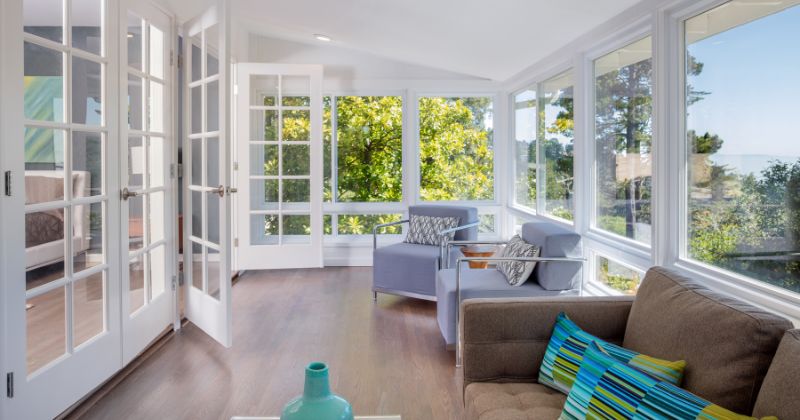
Looking for a way to keep your conservatory or garden room warm all year round? Whether you use it as a home office, a studio, or somewhere to relax, the right heating makes all the difference between a space you enjoy and one that sits empty through winter.
Heating conservatories doesn’t have to be complicated or expensive. A well-insulated room with the right heater can cost as little as £10–15 a month to keep warm. The trick is matching the heater to your room size, how often you use it, and how well it’s insulated.
In this guide, we cover 15 heating options with real running costs based on current Ofgem rates, honest pros and cons, and practical advice to help you find what works for your space and budget.
What Is Garden Room Heating?
First, what is a garden room? A garden room is a standalone, fully insulated building in your garden, separate from the main house. Unlike a conservatory (which is attached to the house and largely made of glass) or a guest annexe (a larger building with sleeping and bathroom facilities for staying overnight), a garden room is designed as a single insulated indoor space for everyday use, typically as a home office, studio, gym, or hobby room. Although it sits in the garden, the inside is finished and heated like any room in your house.
Why Garden Rooms Are Harder to Heat Than Your Home
Heating garden rooms isn’t quite the same as heating a room in your house. Garden rooms are standalone structures, which means they face some unique challenges:
- Exposed on all sides: Unlike a bedroom or living room that shares walls with other rooms, a garden room has cold air hitting every wall, the roof, and the floor beneath. There’s nowhere for heat to “borrow” warmth from.
- Large glazed areas: Those beautiful windows and glass doors are one of the best things about a garden room, but glass loses heat far faster than an insulated wall, even with quality double glazing.
- Intermittent use: Most people don’t heat their garden room 24 hours a day. You need a system that warms the space quickly when you arrive, rather than one designed to maintain a constant temperature around the clock.
- No connection to your home’s central heating: Running pipes from your boiler is possible but expensive and impractical for most setups, so you’ll typically need an independent heating solution.
- Insulation quality varies: Not all garden rooms are built equal. A well-insulated room with low U-values will hold heat efficiently, while a poorly insulated one will lose warmth almost as fast as you produce it, no matter what heater you use.
Understanding these challenges is the first step to choosing a heating solution that actually works, rather than one that wastes energy and money.
How Your Room’s Purpose Affects Your Heating Choice
The way you use your garden room matters just as much as its size and insulation. Here are six types of garden rooms commonly seen in UK homes:
- Home Office: A popular choice, these rooms have desks, computers, and office essentials. Garden office heating is vital to ensure a comfortable working environment.
- Art Studio: Bright and inspiring, these spaces often have large windows for natural light, easels, and art supplies. Proper heating ensures the materials stay in good condition.
- Gym: Home gyms in garden rooms typically include exercise equipment. Heating for the garden gym is essential for comfortable workouts, especially in colder months.
- Entertainment Space: These rooms might have a seating area, a television, or gaming setups. A wall-mounted electric radiator works well, saving floor space.
- Relaxation Room: These rooms are often furnished with comfortable seating and calming decor, ideal for unwinding. A quiet electric radiator keeps things peaceful with no fan noise.
- Children’s Playroom: Filled with toys and play equipment, these spaces need to stay warm and safe. A wall-mounted electric radiator keeps the room comfortable and out of reach.
Each type of garden room has its unique heating requirements, and selecting the right heating garden solution, such as the best heater for the garden room or methods to insulate the garden room, is crucial for creating a comfortable and inviting space.
Why Insulation Comes First When Heating a Garden Room
Before you look at any heater, get your insulation sorted. It’s the single biggest factor in how warm and affordable your garden room will be. Even a powerful radiator won’t help much if your walls, roof, and floor aren’t holding onto that warmth most of it disappears before it does you any good.
Good insulation means a modest heater keeps your space comfortable all winter. Poor insulation means even an expensive setup will struggle.
Can You Heat a Garden Room Without Insulation?
Technically, yes, but you’ll spend more and feel less comfortable. In a poorly insulated garden room, heat escapes almost as fast as it’s generated. The heater runs on full power constantly, the room never quite feels warm enough, and the electricity bill keeps climbing.
Often, the problem isn’t that the heater is too weak, it’s that the insulation isn’t doing its job. Fixing that first makes heating garden rooms far cheaper and more effective than switching to a bigger heater.
How Insulation Affects Running Costs
Insulation quality is measured by its U-value, the lower the number, the less heat escapes. UK building regulations target 0.30 W/m²K or below for walls. Most garden rooms under 15m² are technically exempt, but aiming for that standard pays for itself quickly.
A well-insulated garden room with a thermostat-controlled heater can cost around £10-15 per month to heat in winter. A poorly insulated one running the same heater could cost three or four times that because it never switches off. When comparing suppliers, ask for U-values rather than just insulation thickness.
Key Insulation Areas: Walls, Roof, Floor, Windows, and Doors
- Roof: Aim for at least 100mm of insulation. Fairly easy to retrofit between the beams if your garden room is already built.
- Walls: Aim for at least 75mm. Retrofitting means fixing insulation boards to the inside and covering with plasterboard, it takes a bit of floor space but makes an immediate difference.
- Floor: Easy to overlook, but a lot of heat disappears downward. Hard to retrofit once built, so sort this at the planning stage. For existing rooms, laminate flooring and thick rugs help.
- Windows: Double glazing is essential. Single glazing loses heat fast and causes condensation. Look for a U-value of 1.6 or lower.
- Doors and draughts: Check frames for cold air or daylight gaps. Draught excluder strips fix this in minutes for under £10. Thermal curtains over windows add another layer of protection.
What Makes Electric Heating Ideal for Garden Rooms?
Electric heating is quickly becoming the top choice for warming garden rooms, and it’s easy to see why. This heating method is perfect for all garden room designs, from snug hideaways to offices you might use for work. Here’s why electric heaters for garden room setups are so great:
- 100% efficient at the point of use: Every watt of electricity converts directly into heat. Nothing is wasted through exhaust pipes or flues, so you’re paying only for warmth that actually reaches the room.
- No plumbing needed: Extending your home’s gas or water pipes to a garden room is expensive and disruptive. Electric heaters skip all of that; most just need a socket or a simple hardwire by a qualified electrician.
- Quick to install: Wall-mounted panels, plug-in radiators, and freestanding units are up and running within minutes. No major building work, no waiting around for tradespeople.
- Precise control with smart features: Programmable thermostats and timers come as standard on most modern units. WiFi-enabled models let you turn the heating on from your phone so the room is warm by the time you walk down the garden.
- Safe for small, sealed spaces: No open flames, no gas fumes, no carbon monoxide risk. In a compact garden room without a chimney or flue, this is a big advantage over gas or wood-burning alternatives.
- Quiet: Most electric heaters run silently, which matters if you’re working, reading, or just trying to relax without a constant hum or fan noise in the background.
- Nothing to maintain: No filters to swap out, no chimneys to sweep, no ash to clear, no annual servicing. They just work.
- Lower carbon with renewables: If you have solar panels on your house or a green energy tariff, electric heating runs on cleaner energy. Pair a garden room heater with solar, and your running costs drop even further.

15 Effective Strategies for Heating Your Garden Room
Electric heating is becoming popular for heating garden rooms because it saves energy, is easy to use, and looks nice. This way of heating is great for all kinds of garden rooms, from comfy spots to chill out to serious home offices. Here’s why electric heating is a smart choice for a long time:
| # | Heating Method | Best For | Typical Upfront Cost | Estimated Monthly Running Cost* | Key Strength | Main Limitation |
| 1 | Insulation | Every garden room | Varies by build | Saves £10–15/month | Makes all heating methods far more efficient | Difficult to retrofit, especially floors |
| 2 | Electric Radiator (Small Room) | Garden offices, studios | £90–£300 | ~£39 | Precise control, steady heat | Less efficient if the insulation is poor |
| 3 | Electric Radiator (Medium Room) | Larger offices, studios | £150–£400 | ~£59 | Strong, consistent warmth | Less efficient if the insulation is poor |
| 4 | Convection Heater | Occasional-use rooms | £40–£120 | ~£79 | Fast heat with no warm-up | Heat dissipates quickly |
| 5 | Wood-Burning Stove | Cabins, relaxation spaces | £500–£1,500+ | £20–£60 (wood) | Atmosphere + long-lasting warmth | Installation and maintenance required |
| 6 | Underfloor Heating (Electric) | Premium garden rooms | £50–£85 per m² | £25–£50 | Invisible, even comfort | Flooring limitations |
| 7 | Air Conditioning (Heat Mode) | Offices, gyms, studios | £1,500–£3,000 | £35–£70 | Heating and cooling in one system | External unit required |
| 8 | Solar Heating (Supplemental) | South-facing rooms | £3,000–£6,000 | £0 | Zero running cost | Sun-dependent |
| 9 | Bottled Gas Heating | Off-grid garden rooms | £150–£400 | £40–£90 (fuel dependent) | Works without electricity | Ventilation and gas storage needed |
| 10 | Oil-Filled Radiator | Occasional use spaces | £40–£60 | ~£59 | Retains heat after switch-off | Slow to warm up |
| 11 | Infrared Panel Heating | Short-use rooms | £150–£400 per panel | ~£24 | Instant, targeted warmth | Multiple panels for large rooms |
| 12 | Panel Heater | Small modern rooms | £100–£250 | £12–£39 | Compact and discreet | Limited output for large rooms |
| 13 | Portable Gas Heater | Large off-grid spaces | £200–£500 | £50–£100 | Powerful heat output | Carbon monoxide risk |
| 14 | Halogen Heater | Spot heating | £30–£80 | £20–£40 | Immediate warmth | Only heats a small area |
| 15 | Heat Pump (Air-to-Air) | Daily-use insulated rooms | £2,000–£5,000 | £20–£40 | Most energy-efficient long-term | High upfront investment |
1. Insulation: Foundation of Effective Heating
Proper insulation is pivotal in heating a garden room. It’s the first defence against heat loss, ensuring that any heating method is efficient and cost-effective. Key elements like double-glazed windows and draught-proof doors prevent heat from escaping and cold air from entering.
Also, thermal curtains can enhance insulation, retaining warmth during colder months and reflecting heat in warmer seasons. These features are ideal in cosy garden rooms and garden office heating scenarios, where maintaining a consistent temperature is crucial.
The best tip for adequate heating in a garden room is prioritising insulation during the design and construction, ensuring all elements work together to create a well-insulated space.
Best for: Every garden room, your starting point, regardless of which heater you choose.
Pros
- Cuts heating bills to as little as £10–15 per month
- Works year-round, providing warmth in winter and helping keep the space cooler in summer
- One-time cost with no ongoing expenses
- Makes every other heating option more effective
Cons
- Harder to retrofit, especially floor insulation
- Upfront material and fitting costs
- Wall insulation slightly reduces internal space
2. Electric Radiators: Efficient and User-Friendly Choice
Electric radiators are one of the most popular choices for heating garden rooms. They convert 100% of the electricity they use into heat, and modern models come with programmable thermostats, timers, and WiFi control so you can set the temperature precisely or warm the room up before you head outside.
They’re available wall-mounted or freestanding, need no pipework, and most are simple to install. For garden rooms with a power supply already in place, they’re one of the most straightforward options to get up and running.
Best for: Daily use spaces like garden offices, studios, and rooms used for several hours at a time.
Pros
- 100% efficient at the point of use
- Programmable thermostats and timers help reduce energy use
- WiFi models allow remote control of heating
- Wall-mounted options save valuable floor space
- No maintenance or servicing required
Cons
- Not ideal for poorly insulated rooms where heat escapes quickly
- Higher upfront cost than portable heaters, typically £90–£300
Are they worth it? For sure. Yes! They’re efficient, easy to control, and simple, making them the best electric radiator for heating garden rooms. They’re perfect for quick, easy-to-adjust heat, like in a garden office or relaxing place.
3. Convection Heaters: Rapid and Energy-Efficient Heating
Convection heaters are another great option for heating garden rooms, known for heating up quickly and not using too much energy. These heaters warm and move the air around the room, so the heat spreads fast and evenly.
They’re designed to save space and look good, which is perfect for garden rooms where you might have a limited amount of room. Convection heaters are ideal when you need heat immediately, like in a cosy garden room for relaxing or a creative workspace.
The best way to use convection heaters is to put them where they can move air around without anything blocking them, ensuring the room gets warm.
Best for: Occasional use spaces where you need quick warmth; relaxation rooms, creative studios, weekend hobby rooms.
Pros
- Heats the room quickly with no pre-warming needed
- Available as wall-mounted or freestanding units
- Affordable to buy
- Many models include timers and thermostats
- Compact and space-saving design
Cons
- Less energy efficient than electric radiators over long periods
- Heat fades quickly once switched off due to no heat retention
- Higher wattage leads to higher running costs with extended use
- Fan-assisted models can be noisy
4. Wood Burning Stoves: Rustic Warmth for Garden Rooms
Wood-burning stoves are perfect for adding a cozy, rustic feel to garden rooms. They’re good at heating the space and making it feel snug. But remember, safety is super important with these stoves. You need to ensure they’re put in right, looked after well, and use wood that’s good for the environment.
These stoves are great for garden rooms like little hideaways or fun places to hang out, adding a special touch to their cool, old-fashioned look.
A really important tip for using a wood-burning stove in your garden room is to make sure there’s enough fresh air coming in and to put the stove on something that won’t catch fire so it’s safe and works well.
Best for: Relaxation retreats, cabins, and entertainment spaces where atmosphere matters as much as warmth.
Pros
- Creates a cosy, rustic atmosphere that no electric heater can match
- Heats up quickly and retains warmth for hours
- Can be carbon-neutral when using sustainably sourced wood
- Works off-grid with no electricity required
- Low fuel costs if you have access to local wood
Cons
- Flue or chimney installation adds around £500–£1,500 to the cost
- Requires regular maintenance, including ash removal and chimney sweeping
- Needs adequate ventilation and a non-combustible hearth for safety
5. Underfloor Heating: Luxury Beneath Your Feet
Underfloor heating in garden rooms is like having a bit of luxury. It gives you a nice, even warmth all over the floor, especially when cold outside. But you have to think about how much it costs and if it fits with your floor type.
Even though it might cost more initially, underfloor heating can save you money in the long run because it’s efficient. Is it a good idea? Yes, if you want something fancy and hidden away.
The best advice for underfloor heating is to use it with floors like tile or stone that help spread the heat well.
Best for: Premium garden rooms where comfort and aesthetics matter, especially spaces where you want to maximise wall and floor space.
Pros
- Even heat distribution across the entire floor
- Takes up no wall or floor space and remains completely hidden
- Feels luxurious and comfortable underfoot
- No visible heaters or radiators cluttering the room
- Can be cost-effective in the long term, with running costs around £25–50 per month
Cons
- Higher upfront cost, with electric underfloor heating typically costing £50–85 per m² installed
- Limited flooring choices, as it works best with tile, stone, or engineered wood
- Carpet significantly reduces heating effectiveness
6. Air Conditioning Units: Dual-Purpose Climate Solutions
Air conditioning units in garden rooms are super handy because they can warm the room in winter and cool it in summer. This makes them great for keeping your garden room comfortable all year, regardless of the weather.
They’re useful in garden offices or creative spaces where you need the temperature to stay the same for your comfort and for your stuff to work right.
The smartest thing to do when using air conditioning units in garden rooms is to pick ones that don’t use a lot of energy and have settings you can program, so you can control the temperature just how you like it.
Best for: Garden offices with IT equipment, home gyms, art studios; any space that needs both heating and cooling throughout the year.
Pros
- Dual-purpose, heats in winter and cools in summer
- Maintains consistent temperature and humidity levels
- Modern units are quiet and energy efficient, with ratings up to A+++
- WiFi and app control are available on newer models
- Built-in air filtration removes pollen, dust, and allergens
Cons
- Requires an external unit on the outside of the building
- Professional installation is needed
- Higher upfront cost than standalone heaters
- Can be very expensive to run depending on how well the room is insulated
7. Solar Heat: Embracing Eco-Friendly and Cost-Effective Heating
Solar heating is a great way to heat your garden room and be kind to the planet simultaneously. This method cuts down on your carbon footprint and can save you money on energy bills because it uses the sun’s power.
Even though it might cost a bit to set up solar heating at first, the money you save later and the good it does for the environment make it a really smart choice.
The best advice for solar heating is to put the solar panels where they get the most sun so they work as efficiently as possible.
Best for: South-facing garden rooms that get plenty of direct sunlight, and owners who want to reduce long-term energy costs.
Pros
- Low running costs once installed
- Reduces your carbon footprint
- Can power both your garden room and home heating
- Little maintenance required
- Increases property value
Cons
- High upfront installation cost
- Depends on sunlight, making it less effective in winter when heating is needed most
- May need a backup heating source for cloudy periods
- The roof needs to be stable enough to hold the panels
- Professional installation required
8. Bottled Gas Heating: A Practical Alternative
Bottled propane gas heating is a handy option for heating garden rooms, especially where you can’t easily get electricity or as a backup. This heating connects a gas bottle to a heater, giving you a reliable and effective way to warm up the room.
The most important tip for using bottled gas heating is to ensure your garden room has good airflow and to keep the heating equipment well-maintained for safety and to ensure it works well.
Best for: Garden rooms without an electricity supply, or as a backup heating source in remote garden buildings.
Pros
- Works without mains electricity
- Reliable and effective heat output
- No electrical installation needed
- Can be connected to fixed or freestanding heaters
Cons
- Requires good ventilation, with a risk of fumes and water vapour build-up
- Gas bottles need regular replacement and storage
- Not as clean or low-maintenance as electric options
9. Electric Oil-Filled Radiators: Portable and Convenient Heating
Electric oil-filled radiators are popular for heating garden rooms because you can move them around easily and conveniently. These radiators warm up oil inside them, which then heats up the room. This way of heating is efficient and keeps the room warm for a while, even after you turn off the radiator.
Are they a good choice for garden rooms? Definitely! Their ability to be moved around makes them perfect for garden rooms where you can’t or don’t want to install permanent heaters.
The best tip for using these radiators is to put them in a spot where they can spread the heat around the room evenly.
Best for: Occasional use garden rooms, or spaces where you don’t want to install permanent heating. Great if you need a heater, you can store it away in summer.
Pros
- Retains heat even after being switched off
- Portable, can be moved between rooms or stored away when not needed
- Quiet operation with no fan noise
- No installation required just plug in
Cons
- Slower to heat up than panel or convection heaters
- Not ideal for rooms that need quick warmth
- Can be heavy to move once filled with oil
10. Infrared Heating: The Future of Eco-Friendly Warmth
Infrared heating offers a contemporary and environmentally friendly solution for warming your garden room. This innovative method emits infrared rays that directly heat objects and people in the room rather than just warming the air. As a result, it’s highly energy-efficient and kinder to the environment, using less energy and minimising heat loss.
Ideal for garden rooms needing fast and focused warmth, such as a garden office or a cosy relaxation area, infrared heating is an excellent choice.
Directing the heater towards the area where you need the most warmth is the most effective way to use infrared heating. This targeted approach ensures that the heating is efficient and effective, providing comfort where needed.
Best for: Garden rooms used in short bursts, home gyms, hobby rooms, or any space where you want immediate warmth without waiting for the whole room to heat up.
Pros
- Heats people and objects directly, so warmth feels almost instant
- Energy efficient with less wasted heat compared to convection heating
- Slim panels can be wall- or ceiling-mounted to save space
- Works well in rooms with high ceilings where warm air would normally rise away
- Doesn’t dry out the air, making it more comfortable in winter
Cons
- Higher upfront cost than basic heaters, typically £150–£400 per panel
- Larger garden rooms may need multiple panels to heat the space evenly
11. Slimline Electric Radiators: Stylish Efficiency in Heating
Slimline electric radiators are a stylish and efficient way to heat up garden rooms. They’re known for their sleek design and excellent heating capabilities. These heaters often come with handy features like timers and thermostats, which help you save energy and adjust the temperature to what you need.
A clever way to use slimline electric radiators is to integrate them into the room’s decor. This way, they not only provide efficient heating but also enhance the overall look of your space.
Best for: Modern garden rooms, home offices, hallways, conservatories, bedrooms, and studios up to 20m² where a clean, minimalist look matters as much as efficient, fast heating.
Pros
- Sleek, slim design that blends easily into any décor
- Wall-mounted or freestanding for flexible placement
- 24/7 programmable with custom schedules
- 10-year warranty on radiator body
- Heats up quickly
- LOT20 compliant and EU-manufactured
- Easy to install, either plug-in or simple hardwiring
Cons
- Larger garden rooms may require multiple units for full coverage
- Less heat retention than oil-filled radiators once switched off
12. Portable Gas Heaters: Flexible Heating on the Go
Portable gas heaters are a flexible heating option for garden rooms, offering ease of use and adaptability. These heaters are great for spaces where setting up a permanent heating system is difficult or need a heater that can be moved around.
They work well in larger garden rooms or areas that need quick and effective heating. The best approach to using portable gas heaters is to ensure they’re in areas with good ventilation, ensuring safety while they efficiently warm up the room.
Best for: Larger garden rooms without mains electricity, or spaces where you need a heater you can move between locations.
Pros
- Portable and easy to move wherever heat is needed
- No electrical connection required
- Powerful heat output that warms larger spaces quickly
- No installation needed
Cons
- Requires good ventilation at all times due to carbon monoxide risk
- Not safe for small or poorly ventilated garden rooms
- Gas bottles need regular purchasing and safe storage
13. Halogen Heaters: Quick Spot Heating
Halogen heaters are designed for fast spot heating, making them an excellent choice for warming up garden rooms. These heaters use halogen elements to heat a specific spot quickly, providing immediate warmth. They’re energy-efficient, which makes them a cost-effective option for short-term use.
The key to using halogen heaters effectively is to position them so they directly target the area you want to warm up, ensuring fast and efficient heating.
Best for: Quick bursts of warmth in small garden rooms or targeting a specific spot such as a reading nook, a desk area, or a seating corner.
Pros
- Provides immediate, focused warmth
- Energy efficient for short-term use
- Lightweight and portable
- Affordable to buy
- No installation required just plug in and position
Cons
- Only heats a small targeted area rather than the whole room
- Can pose a burn risk if positioned too close to furniture or curtains
- Bulbs need replacing over time
- Less effective in larger or draughty garden rooms
14. Ceramic Heaters: Safe, Effective, and Reliable
Ceramic heaters are safe, effective, and reliable for heating garden rooms. They use ceramic plates to heat up and radiate warmth, creating a steady and comfortable heat source.
These heaters are especially good for garden rooms used as children’s play areas or spaces where safety is important.
A smart choice when using ceramic heaters is to select models with safety features like automatic shut-off in case they tip over or get too hot, keeping your garden room warm and safe.
Best for: Children’s playrooms, family spaces, or any garden room where safety is a top priority.
Pros
- Safety features like tip-over protection and auto shut-off
- Produces steady, comfortable warmth
- Compact and portable
- Cool-to-touch exterior is safer around children and pets
- Heats up quickly
Cons
- Not as powerful as larger electric radiators
- Heats areas well but may struggle in larger garden rooms if you don’t choose the correct size.
- Running costs add up with prolonged daily use
- Fan-assisted models can be noisy
15. Heat Pumps: Sustainable Long-Term Heating Solutions
Heat pumps offer a sustainable and long-lasting heating solution for garden rooms. These systems pull heat from the outside air into the garden room, making them a very energy-efficient choice.
This method effectively keeps a comfortable temperature and helps reduce your carbon footprint, which is great for the environment.
The most important thing for getting the most out of heat pumps is ensuring your garden room is well-insulated, helping to keep the warmth in and making the system more effective and energy-efficient.
and energy-efficient.
Best for: Well-insulated garden rooms used daily, offices, studios, or any space where long-term running costs matter more than upfront investment.
Pros
- Extremely energy efficient, produces more heat than the electricity it consumes
- Low running costs long-term
- Reduces carbon footprint significantly
- Can heat and cool, works year-round
- UK Government BUS grant available, up to £7,500 towards installation
Cons
- High upfront cost (£2,000–£5,000 installed)
- Requires professional installation
- Works best in well-insulated spaces and is less effective in draughty rooms
- May need planning permission in some areas
- External unit required outside the building
How Much Does It Cost to Heat a Garden Room in the UK?
Your monthly heating bill depends on three things: what heater you use, how big your garden room is, and how well it’s insulated. We’ve worked out the running costs using the current Ofgem electricity price cap rate of 24.67p per kWh (April to June 2026).
| Heating Type | Typical Wattage | Cost Per Hour | Cost Per Day (8hrs) | Est. Monthly Cost* |
| Slimline Electric Radiator | 500–1000W | £0.12–£0.25 | £0.99–£1.97 | £12–£39 |
| Infrared Panel | 600W | £0.15 | £1.18 | £24 |
| Electric Radiator (small room) | 1000W | £0.25 | £1.97 | £39 |
| Electric Radiator (medium room) | 1500W | £0.37 | £2.96 | £59 |
| Oil-Filled Radiator | 1500W | £0.37 | £2.96 | £59 |
| Convection Heater | 2000W | £0.49 | £3.95 | £79 |
| Ceramic Heater | 2000W | £0.49 | £3.95 | £79 |
| Fan Heater | 2000W | £0.49 | £3.95 | £79 |
These are maximum figures. A heater with a thermostat cycles on and off once the room is warm, so real usage is typically 30–50% lower. A well-insulated garden room can cost as little as £10–15 per month to heat. A poorly insulated one could cost double or more because the heater never switches off.
Ofgem reviews the price cap every three months, so check the Ofgem website for the latest rates.
Not sure what wattage you need? Use our radiator calculator to find the right size for your garden room.
What Affects Your Heating Costs Most?
Three things have the biggest impact on what you’ll actually pay each month:
- Room size: A small 2.5m x 2.5m garden room only needs around 500W to stay warm. A larger 4m x 6m space might need 1500W or more. The bigger the room, the more energy it takes to heat, and the higher your bills.
- Insulation quality: This is the single biggest factor. A well-insulated garden room holds onto heat, so the heater switches off once the room is warm and only kicks back in when needed. A poorly insulated one loses heat constantly, meaning the heater runs non-stop and your bills climb fast.
- How often you use it: Someone working in their garden office five days a week will pay far more than someone using it for a couple of hours at the weekend. If you only use your garden room occasionally, a cheap plug-in heater is fine. If you’re in there daily, investing in an efficient electric radiator with a programmable thermostat will save you money over time.
Choosing the Right Heating Strategy for Your Heating Garden
Selecting the right heating option for heating your garden room is crucial for ensuring comfort, efficiency, and style. With various options available, choosing a solution that aligns with your specific needs is important.
Whether heating a cosy garden room, a functional garden office, or an insulated garden pod, the right heating strategy can transform your outdoor space into a year-round haven.
We understand that every garden room and your heating requirements are unique. We encourage you to seek personalised, professional advice, especially when choosing the best electric radiators.
Our team of professionals is ready to assist you in creating a heating strategy plan that caters to your needs and wants. Whether it’s about insulating a garden room or finding the perfect heating solution for your cozy garden space, we’re here to help you make the best choice.
Don’t let the cold keep you from enjoying your garden room. Contact us today to explore the best heating solutions tailored just for you. Let’s turn your garden room into a warm and inviting space all year round!
FAQs
Can you Heat a Garden Room in Winter?
Yes. A well-insulated garden room with the right heater stays comfortable even in the coldest months. The key is good insulation first, then a heater sized correctly for your space.
How Much Does it Cost to Heat a Garden Room per Month?
A well-insulated garden room typically costs between £12 and £59 per month, depending on the heater type and how often you use it. These figures are based on the current Ofgem electricity price cap rate of 24.67p/kWh (Q2 2026).
What Is the Cheapest Way To Heat a Garden Room In the UK?
Electric heaters are a great choice if you’re looking for a budget-friendly way to heat your garden room. Slimline electric radiators or electric oil-filled radiators don’t cost much and are good at saving energy, which is especially helpful for smaller rooms.
Are Garden Rooms Warm Enough to Work All Year?
Yes. Thousands of people across the UK use garden rooms as full-time home offices year-round. Double-glazed windows, proper insulation, and a thermostat-controlled heater are all you need.
Are Electric Heaters a Good Option for Heating Garden Rooms?
Yes, electric heaters are one of the best choices for heating garden rooms. They’re safe, efficient, and easy to install, making them ideal for an insulated standalone space where you don’t want the complexity of running gas or pipework from the main house.
Can Underfloor Heating Be Installed in a Garden Room?
Yes. You can install underfloor heating in a garden room. It’s a great way to heat the space evenly and feels luxurious. Consider how much it costs to install and what kind of floors you have.






Leave a Reply