



Deciding between heating one room vs whole house is a common challenge during colder months, especially when energy costs are high. If you work from home, live alone, have unused rooms, or manage a busy household, the wrong heating choice can lead to unnecessary expense or uneven comfort.
This article is for anyone asking whether it’s cheaper to heat a single room with an electric radiator or rely on a whole-house approach with central heating. It explains how factors like home size, insulation, heating system type, and daily routines affect cost and efficiency. Also, we provide 10 questions to ask yourself and assess your family routine to ensure you make smart choices for your household.
By the end, you’ll have clear answers to help you choose the most practical heating approach for your home without wasting energy or money.
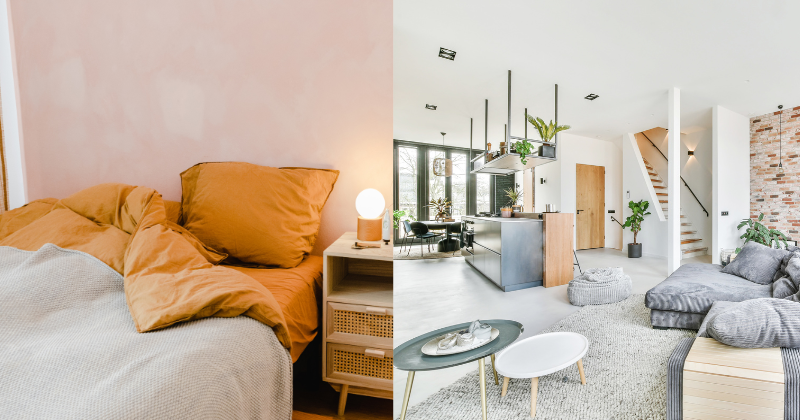
Heating One Room vs Whole House: The Two Main Options
When people weigh up heating one room against the whole house, two pairings come up most often: using an electric radiator to warm a single room and using central heating to warm the whole house. You can mix them, heating one room off your central heating or warming a whole home with several electric radiators, but the comparisons below focus on these two common setups. The right choice comes down to how you live in your home, so the two tables below break each scenario down side by side.
Heating One Room: Electric Radiator vs Central Heating
If you spend most of your day in one or two rooms, heating just the space you’re in can be the more sensible option. Here is how an electric radiator and central heating compare when the goal is warmth in a single room.
|
Electric radiator |
Central heating |
|
|
Running cost |
You pay to warm only that room. Electricity costs more per unit than gas, but none of it is wasted heating space you’re not using |
Gas is cheaper per unit, but unless every radiator has a TRV, the system tends to warm other rooms too, so you often pay for more than the one room |
|
Speed of warmth |
Fast. Modern dry thermal models heat up quickly and react quickly to temperature changes |
Slower from cold, as heat travels through pipework before reaching the room |
|
Efficiency |
100% efficient at the point of use: all the electricity drawn becomes heat in the room (note: this is about efficiency, not running cost) |
Some heat is lost through the system before it reaches the room |
|
Control |
Programmable to that room’s own schedule, so you heat only when you need to |
Limited per-room control without TRVs |
|
Installation |
No professional setup for most models (plug-in or wall-mounted); bathroom radiators should be fitted by a qualified electrician |
System already in place, but isolating a single room needs TRVs |
|
Best for |
Warming the room you actually use, especially when the rest of the house is empty |
Homes already on central heating where the whole floor is in use |
Heating the Whole House: Electric Radiators vs Central Heating
A whole-house setup is about consistency: keeping every room at a comfortable temperature rather than warming one spot at a time. Here is how electric radiators and central heating compare when the goal is even warmth across the home.
| Electric radiators | Central heating | |
| Home size | Suitable for any size of home. You choose the correct size and quantity of radiators for each room | Designed to heat a whole house from one system |
| Running cost | Electricity costs more per unit than gas, but full room-by-room control means you avoid heating rooms you aren’t using | Gas is cheaper per unit, but tends to heat multiple rooms whether they’re needed or not |
| Efficiency | Each radiator is 100% efficient at the point of use, with no pipe losses | Heat is lost through pipework, so it’s not 100% efficient at the point of use |
| Control | Every room runs on its own schedule, so you heat only where and when you need to | Central thermostat, with TRVs for per-room adjustment |
| Installation & upkeep | No boiler, pipework or flue; most units install without a professional (bathroom models excepted); minimal maintenance | Higher upfront install (boiler, pipework, dedicated space) plus ongoing servicing |
| Environment | Runs on electricity, which can be sustainably sourced, with no harmful emissions at the point of use | Burns gas or oil; emissions depend on the fuel |
| Best for | Homes wanting individual room control and a system they can add to room by room | Larger homes already set up for gas, wanting uniform warmth from one system |
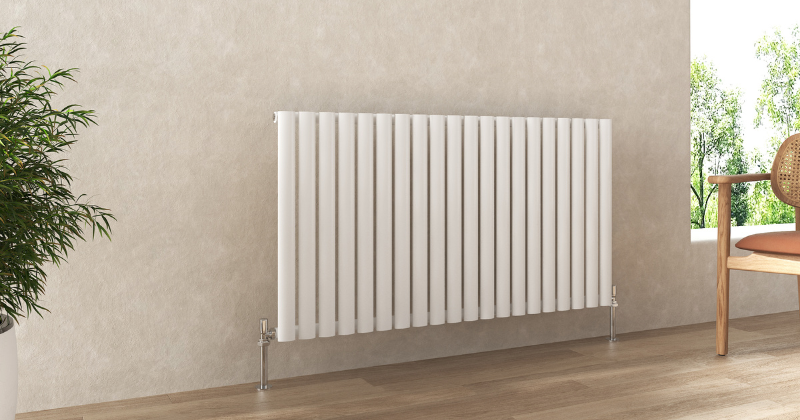
Is It Cheaper to Heat One Room or the Whole House? (Cost & Efficiency Explained)
When it comes to heating, it’s crucial to understand the costs and efficiency of your choices. To decide the answer to this question, “Is it cheaper to heat one room with an electric radiator?” and “Should you heat your whole home or just the room you’re in?”, consider these 5 key questions below.
Does the Size of My Room or How Well It’s Insulated Affect My Heating Bill?
Yes, the size of your room and the insulation quality can impact your heating costs. A larger room requires more heat, while good insulation keeps the heat inside. Improving insulation and choosing the right-sized space to heat can save you money.
Electric Radiator vs Central Heating: What’s Cheaper
The cost-effectiveness depends on your specific needs. Many people ask, “Is it cheaper to heat one room with an electric radiator?” If you’re heating a single room for short periods, an electric radiator is often cheaper due to its lower upfront cost and efficiency for smaller spaces.
However, central heating might be a more cost-effective option in the long run, particularly for larger homes or when consistent heating is required throughout the house.
For in-depth information, you can read our article discussing the running cost of electric central heating.
Is It Cheaper to Leave the Heating on Low All Day?
In most homes, leaving the heating on low all day usually costs more than heating only when it’s needed. Heat is constantly lost through walls, windows, and doors, so the system has to keep working to maintain the temperature. That said, in well-insulated homes with modern heating systems, the cost difference may be smaller. For most households, switching the heating off when rooms aren’t in use is still the cheaper option.
Is Constant Heating or Timed Heating More Energy-Efficient?
Timed heating is generally more energy-efficient because it avoids warming empty rooms. Setting your heating to come on only when you are home reduces wasted energy and keeps costs under control. Constant heating can make sense in some situations, such as very well-insulated homes or during extremely cold weather, but for most people, using timers or schedules is the more efficient and practical approach.
How Do My Heating Choices Impact the Environment and My Cosy Home Vibe?
Your heating choices have environmental consequences, as electric radiators rely on the energy grid’s sources. In regions with clean energy, they can be eco-friendly, but they may contribute to emissions in fossil fuel-dependent areas.
Also, electric radiators offer precise control for comfort in specific areas, while central heating maintains consistent warmth throughout the house, which may impact your cosy home vibe.

Heating Systems Compared: Best Uses and Tips
The best way to heat your home depends on the system you have. Here’s how different heating systems work:
- Electric Radiators: These heat individual rooms independently, each with its own schedule and temperature. Room size doesn’t affect the quality of heat you get; you simply choose the right radiator size and quantity for the space, so they suit rooms of any size. They are 100% efficient at the point of use, with no heat lost through pipework.
- Boilers (Gas/Oil): Boilers are ideal for heating the whole house efficiently. They can warm multiple rooms at once, especially when controlled by a thermostat. To get the most out of your boiler, make sure your home is well-insulated so heat doesn’t escape.
- Radiators with Thermostatic Controls (TRVs): These let you adjust the temperature in individual rooms. You can keep the whole house warm while customizing the temperature of rooms that are used more frequently, ensuring comfort without wasting energy in rooms you don’t use often.
- Radiators Without Temperature Controls: If your radiators don’t have TRVs, you can use portable heaters in the rooms you spend the most time in. This allows you to save energy by keeping the central heating on a lower setting for the rest of the house.
- Storage Heaters: Storage heaters use off-peak electricity, which is usually cheaper. These heaters store heat overnight and release it during the day. They work well if you’re home during the day but may not be as effective if you’re out for long periods.
| Heating System | How It Works | Best For | Tips |
| Electric Radiators | Heat individual rooms independently, each with its own schedule and temperature. | Room-by-room control in any size of home | Choose the right size and quantity for each room. |
| Boilers (Gas/Oil) | Ideal for heating the whole house, warming multiple rooms with a thermostat. | Whole-house heating | Ensure good insulation for maximum efficiency. |
| Radiators with Thermostatic Controls (TRVs) | Adjusts temperature in individual rooms. Keeps the whole house warm but allows customization. | Rooms used more often | Helps save energy in rooms you don’t use often. |
| Radiators Without Temperature Controls | Central heating on low, with electric radiators for rooms you use most often. | Energy saving in specific rooms | Helps save energy by not overheating unused rooms. |
| Storage Heaters | Uses off-peak electricity to store heat overnight and release it during the day. | Homes where you’re home during the day | Works best when you’re at home during the day. |
The Best Heating Choice Based on Your Home Size & Layout
The best way to heat your home also depends on its size and layout, and electric radiators suit all of them. In smaller homes or flats, a few correctly sized radiators heat the space quickly. In larger homes, you simply add the right size and quantity of radiators room by room, each on its own schedule. In open-plan homes, electric radiators let you target the areas you actually use rather than heating the whole space at once.
- How to Heat a Small Home or Flat: In a small home or flat, electric radiators are an efficient choice. The space heats up quickly, and because each radiator can be set to its own schedule, you only warm rooms when you’re using them.
- How to Heat a Large House Efficiently: Electric radiators work just as well in a large house as a small one; you simply fit the right size and quantity for each room. Because every radiator runs on its own schedule and temperature, you can keep frequently used rooms warm while turning others down, so you never waste heat on rooms you aren’t using.
- How to Heat an Open-Plan Home: In an open-plan home, heat spreads across a large area, so targeted control matters. Electric radiators let you warm the specific zones you use most and set them to come on only when you’re there, keeping the space comfortable without heating areas no one is using.
| Home Size & Layout | How It Works | Tips |
| Small Home/Flat | Correctly sized electric radiators heat the space quickly, each on its own schedule. | Choose the right size radiator for each room for full control. |
| Large House | Add the right size and quantity of electric radiators room by room, each individually controlled. | Turn down rooms you use less to avoid wasting energy. |
| Open-Plan Home | Electric radiators target the zones you use most, set to come on only when you’re there. | Heat specific areas rather than the whole space at once. |
Home Heating Checklist for Smart Decisions
To assist you in making the right heating choice for your home, we’ve prepared a practical checklist that considers your family dynamics. This checklist will help you decide whether it’s more cost-effective to heat one room with an electric heater or opt for a whole-house heating approach.
Consider the following 10 factors and accompanying 10 questions related to family routines, room sizes, house layout, and the number of family members.
Factors to Consider When Choosing Between Heating One Room vs Whole House
Let’s delve into these essential factors to help you decide the most suitable heating method for your unique situation:
- Room Size: How big is the space you want to heat? Larger rooms need more heat to warm effectively, which affects both cost and the heating method you choose.
- Insulation Quality: How well-insulated is your home, as this can impact heat retention and energy efficiency?
- Family Size: Consider the number of family members and how they utilise the available spaces within your home.
- Usage Patterns: Reflect on your heating habits—are specific rooms heated regularly, or do you heat the entire house?
- Energy Costs: Consider fluctuating energy prices in your area and the local electricity and fuel costs.
- Climate: Assess whether your location experiences mild winters or harsh, cold seasons.
- Environmental Concerns: Evaluate your environmental consciousness and the desire to minimise your carbon footprint.
- Budget: Determine your budget for heating setup, ongoing costs, and potential maintenance.
- Heating Control: Consider whether you prefer precise control over individual room temperatures or consistent house-wide warmth.
- Safety: Address any safety considerations or concerns, especially if you have children or pets.
10 Questions to Help You Decide Between Heating One Room vs Whole House
- How often does your family gather in one room, making it the primary living space?
- If your family frequently assembles in one room, prioritising its heating can enhance comfort and save on costs.
- Do certain rooms go unused for extended periods, allowing you to close them off for energy savings?
- If some rooms remain unoccupied for extended periods, it might be more efficient to heat only the currently used areas.
- Are there rooms your family uses more during specific seasons or times of the day?
- Consider heating rooms your family uses seasonally or at particular times to maximise energy savings.
- Is your family open to investing in room-specific heating solutions or prefer a central heating system?
- If your family values flexibility and cost savings, room-specific heating could be the choice. Central heating systems offer consistent warmth throughout the house.
- Does your house layout favour zoned heating or uniform heating throughout, aligning with your family’s routines?
- Zoned heating can provide personalised comfort if your home has distinct zones matching your family’s daily activities.
- Considering your family’s routines, How crucial is immediate warmth when you turn on the heating system?
- If your family prefers quick heating, electric heaters can warm a room rapidly, while central heating may take longer to reach the desired temperature.
- Is your family willing to adjust heating habits for efficiency and cost savings, considering routines?
- Openness to optimising heating habits according to your family’s routines can lead to energy cost savings with both room-specific and central heating.
- Does your family have access to renewable energy sources or cleaner energy options for electric heating?
- If your family can access clean energy sources, electric heating can be an environmentally friendly choice that aligns with your routines.
- What’s your family’s long-term vision for heating your home, considering potential changes in family dynamics or living arrangements?
- Consider your family’s future needs and how they align with your chosen heating method, considering possible routines and living arrangements changes.
- Are there any specific health considerations or comfort preferences within your family that should influence your heating choice?
- Considering health concerns or comfort preferences can help better tailor your heating method to suit your family’s needs.
Safety, Damp, and Health Considerations
When heating your home, it’s important to think about safety, dampness, and health, especially if you’re using portable or electric radiators.
Can Heating Only One Room Cause Damp or Mould?
If you heat just one room and leave the rest of the house cold, the unheated areas can get damp, especially if the air is moist. When the air is too damp, it can cause mould to grow on walls and windows. Mould can be bad for your health, causing allergies and breathing problems. So, if you heat only one room, make sure the rest of the house is warm enough, or at least properly ventilated, to avoid dampness and mould. A good way to prevent it is by making sure your home is insulated and aired out regularly.
Is Heating One Room Safe for Children or Elderly People?
Heating only one room can be safe for everyone, but it’s important to keep some things in mind, especially for children and the elderly. If you use electric radiators or portable heaters, be careful because they can get hot and might cause burns if touched. Keep heaters away from furniture, blankets, or curtains to avoid fires. Also, elderly people or young kids may feel colder than others, so make sure the room they are in stays warm enough for them. If you’re using an electric radiator, always follow the safety instructions and turn it off when not in use to prevent accidents.
Expert Advice: 13 Smart Tips for Efficient Electric Radiator Use
When it comes to efficient heating, you can count on these expert tips to keep your home warm without breaking the bank. Whether using an electric radiator or a central heating system, these strategies will help you maximise your heating setup.
- Seal the Leaks: Ensure your windows and doors are properly sealed to prevent heat from escaping.
- Use Curtains Wisely: Close curtains at night to trap heat and open them during the day to let in sunlight.
- Optimize Thermostat Settings: Set your thermostat a few degrees lower and wear warm clothing indoors.
- Insulate Your Home: Invest in insulation to keep the warmth and reduce heating costs.
- Zone Heating: If using electric radiators, heat only the rooms you use.
- Regular Maintenance: Service your heating system to keep it running efficiently.
- Programmable Thermostat: Install a programmable thermostat for customised heating schedules.
- Reverse Ceiling Fans: Run ceiling fans in reverse to circulate warm air downward.
- Use Draft Stoppers: Block drafts under doors with draft stoppers or weatherstripping.
- Blankets and Rugs: Add blankets and rugs for extra insulation and cosiness.
- Close Unused Vents: Shut vents in rooms you don’t frequently use to redirect heat.
- Upgrade to Energy-Efficient Appliances: Consider energy-efficient heaters or radiators.
- Stay Informed: Keep an eye on energy prices and consider switching providers for better rates.
Wrapping Up! Comparing Single Room and Whole House Solutions
In this guide, we explored two primary heating options: using an electric heater to warm heating one room vs whole house. We’ve shared the advantages and disadvantages of each, considering cost-effectiveness, efficiency, environmental impact, and more.
Key Takeaways:
- One Room vs. Whole House: Consider your heating needs and habits. Decide whether to focus on heating a single room, which works well for smaller spaces or solitary dwellers or opt for whole-house heating to maintain consistent warmth throughout your home.
- Cost and Efficiency: Consider factors like room size, insulation quality, and energy costs to determine whether an electric heater or central heating is the most cost-effective choice for you.
- Environmental Impact: Be mindful of your environmental consciousness and the energy sources in your region. Your heating choices can have a significant impact on your carbon footprint.
- Family Dynamics: Evaluate your family’s size, routines, and room usage patterns. This assessment will guide you in choosing the best heating method for your family’s needs.
- Expert Tips: Maximize your heating setup’s efficiency with expert tips, including sealing leaks, optimising thermostat settings, and using zone heating for electric radiators.
For personalized advice or specific questions about your heating needs, feel free to contact the Best Electric Radiators Team. Our experts can help you find the perfect balance between comfort, cost, and sustainability.
FAQs
How Can I Heat Only One Room?
You can heat only one room using an electric radiator designed for single-room heating. These radiators are designed to provide efficient and targeted heating to a specific area.
What Type of Electric Radiator Is Good for One Room Heating?
For one-room heating, it’s recommended to use an electric radiator that matches the size and heating requirements of the room. Convection radiators, panel heaters, or electric radiators with programmable thermostats are good options.
Depending on the specific room, such as the living room, kitchen, bathroom, or bedroom, you can select the most suitable type of electric radiator to ensure efficient and comfortable heating.
What Type of Electric Radiator Is Good for Whole House Heating?
Whole-house heating typically requires a more comprehensive system, such as central heating. While some electric radiators can provide heating for multiple rooms, they may not be suitable for whole-house heating.
Are There Energy-Efficient Options for Whole House Heating?
Yes, there are energy-efficient options for whole-house heating. Energy-efficient central heating systems, heat pumps, and smart thermostats can help you heat your entire home while minimising energy consumption.
Are there specific safety tips for using an electric radiator in my home?
Yes. Keep it clear of curtains, furniture, and fabric, and don’t drape clothing over it. For plug-in or freestanding models, use a flat, stable surface and plug directly into a wall socket rather than an extension lead. Always follow the manufacturer’s instructions, and in bathrooms or wet areas only use a suitably rated radiator fitted by a qualified electrician.






Leave a Reply