


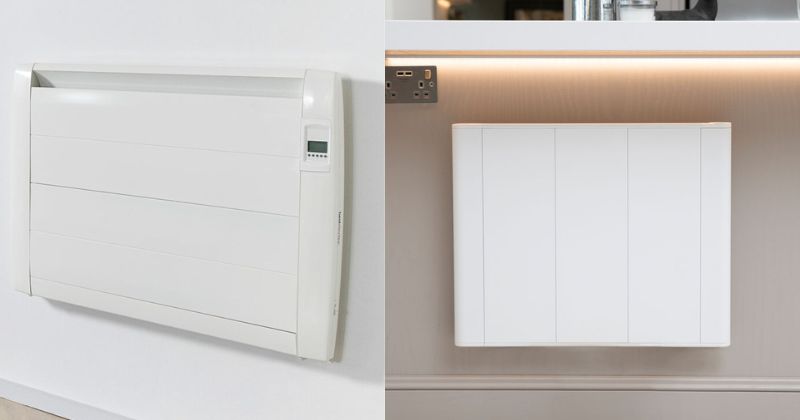
With the market for these electric heating systems witnessing a remarkable growth of nearly 15% over the past decade, it’s clear that more and more people are embracing the benefits of clean, smoke-free, and gas-free heating.
While both panel heaters and electric radiators offer an environmentally conscious way to heat your home, they differ in several key aspects that can impact their performance, efficiency, and suitability for various room sizes and heating needs.
From their heating mechanisms and temperature controls to safety features, noise levels, and energy consumption, panel heaters and electric radiators exhibit distinct characteristics that can significantly influence the warmth, comfort, and overall experience they provide in your living spaces.
In this article, we’ll explore 11 key differences between panel heaters and electric radiators. By understanding these distinctions, we’ll help you choose the best option for your home, whether you’re looking for faster heating, better energy efficiency, or easier installation.
What Are Electric Radiators and How Do They Work?
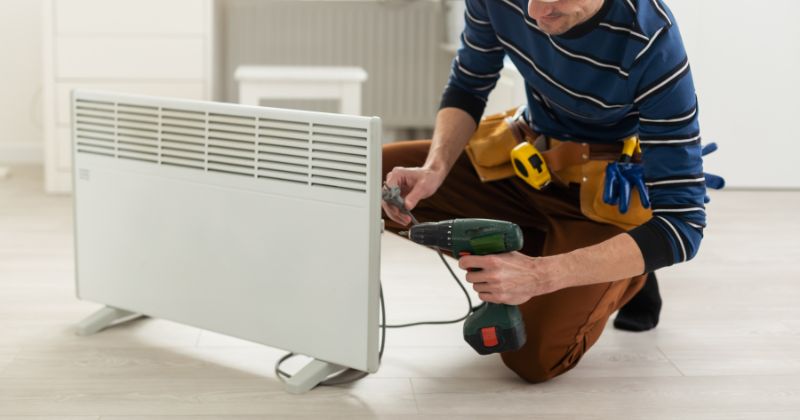
Electric radiators are a popular heating option that uses electricity to generate heat and distribute it across a room. They come in various designs, but most feature a heating element inside that heats up when powered. The heat is then transferred to the surrounding air or stored in a thermal mass (like ceramic or oil) within the unit, which continues to radiate warmth after the radiator has turned off.
Most modern electric radiators come with built-in thermostats and digital controls, allowing you to set and maintain a specific temperature in your room. Some advanced models even offer Wi-Fi control, meaning you can adjust the temperature from your smartphone or smart home system, ensuring your home is always at the perfect temperature when you need it.
What are Electric Panel Heaters?
A panel heater is a flat, wall-mounted electric heater unit designed to warm up rooms through natural convection currents as the heat rises from its surface. These heaters come in the form of single panels that emit convection heat only.
Panel heaters operate by utilizing heating elements inside the unit that get hot when switched on. This heat is then transferred to the air in the form of convection heat and expelled via the top grill (a bit like a large hair dryer).
Some types of panel heaters incorporate infrared technology, allowing them to absorb and radiate energy as heat more efficiently without losing it through ventilation, although this type of heating can create cold spots in a room.
Quick Comparison: Electric Radiators vs Panel Heaters
| Feature | Electric Radiators | Panel Heaters |
| Heating Mechanism | Electric radiators use electricity to heat an internal element, which radiates warmth directly or stores heat in a thermal mass (oil, ceramic). | Panel heaters use convection heating, where air is warmed by the heating element and circulated around the room. |
| Heat Distribution | Provides consistent, even warmth and long-lasting heat, perfect for longer periods of use. | Heats rooms quickly but doesn’t maintain warmth as long. Best for short bursts of heat. |
| Energy Efficiency | Highly energy-efficient, as they retain heat for long periods, reducing energy usage over time. | Less energy-efficient, as they tend to use more energy to maintain heat. |
| Control & Flexibility | Smart thermostats, Wi-Fi control, and programmable timers allow precise temperature control and scheduling. | Basic controls for setting temperature, but lacks advanced smart features. |
| Installation | Easy to install, with wall-mounted or freestanding options, typically needing no professional help. | Simple installation, generally wall-mounted or freestanding, but doesn’t require advanced features. |
| Space Efficiency | Slim, sleek designs that save space and fit seamlessly into any room. Available in a variety of colors and finishes. | Slim but more basic design, generally takes up less room but offers less aesthetic appeal compared to electric radiators. |
| Best For | Ideal for long-term, consistent heating in larger rooms or spaces where steady warmth is needed. | Perfect for smaller rooms or rooms that only need heat for short periods. |
| Maintenance | Requires minimal maintenance, with occasional cleaning to ensure efficiency. | Low maintenance, but may have a shorter lifespan compared to electric radiators. |
| Lifespan | Long-lasting with high durability, built to perform for years with minimal repairs. | Typically lasts a good amount of time, but may wear out faster than electric radiators. |
| Cost | Higher upfront cost, but more cost-effective in the long run due to better energy efficiency. | Lower upfront cost, but may result in higher running costs over time. |
| Ideal Use | Consistent heating for living rooms, bedrooms, and larger areas, or where long-term warmth is needed. | Best for quick heating in small spaces or occasional use (e.g., bathrooms, guest rooms). |
Comparing Panel Heaters vs Electric Radiators: Which Is Best for Your Home?
Let’s break down the key differences between panel heaters and electric radiators across several important factors, from design to energy efficiency, so you can make an informed decision about which is best for your space and heating needs.
1. Design and Aesthetics: Which Fits Your Home’s Style?
- Electric Radiators:
Electric radiators tend to offer a more substantial and stylish appearance. They come in a variety of finishes and designs, making them an attractive feature in any room. With a range of colors and materials, electric radiators can act as a design statement while providing practical heating. Whether you want something sleek and modern or more traditional, you’ll find an electric radiator that complements your style.
- Panel Heaters:
Panel heaters are known for their sleek, minimalist design. Their compact, slim profiles make them an excellent choice for spaces where space-saving is important. They fit well in any room, blending seamlessly into the background without taking up too much space. Perfect for modern, minimalist interiors, panel heaters offer subtle elegance without overpowering the room’s décor.
Key Takeaway: If you’re looking for a minimalist heating option, both panel heaters and electric radiators can work well. Electric radiators come in a wide range of designs and sizes, including slimline models like the Slimline Curve, so they can also suit compact spaces while offering a more stylish and functional heating solution with lower running costs.
2. Installation and Ease of Use: Quick Setup with Minimal Hassle
- Electric Radiators:
Electric radiators are also easy to install, with many models designed for wall mounting or freestanding use. While the setup is straightforward, some radiators may come with additional programming options, such as smart thermostats or Wi-Fi control, which require a bit more attention during setup. However, once installed, electric radiators can be even easier to use than panel heaters because they give you more control over the temperature, heating schedule, and other smart features for day-to-day operation. - Panel Heaters:
Panel heaters are designed for easy installation and can typically be set up in just a few steps. Most models are plug-and-play, meaning you can simply mount the unit on the wall or place it in the desired location, then plug it in. No professional help is usually required, making them perfect for DIY setups in homes where simplicity is key. Their basic controls also make them easy to operate, allowing you to adjust the temperature without hassle.
Key Takeaway: Both panel heaters and electric radiators are simple to install and use, but electric radiators may offer more advanced features, requiring a slightly more involved setup process. For easy, no-fuss installation, panel heaters are a great choice. However, if you want added convenience and control, electric radiators provide excellent options.
3. Energy Efficiency: Which One Saves You More in the Long Run?
- Electric Radiators:
Electric radiators are designed for energy efficiency. Once they’ve heated up, they retain heat for longer, meaning they don’t need to keep running to maintain warmth in the room. This makes them ideal for long-term heating, as they use less energy over time to keep the room at a comfortable temperature. Many modern electric radiators also come with smart thermostats and programming options that allow you to control the heating schedule, ensuring that they only use energy when needed. - Panel Heaters:
Panel heaters warm up quickly, making them great for short-term use or when you need a quick burst of heat. However, since they rely on convection, they tend to lose heat quickly once switched off, which can result in higher energy consumption over time. They may require more frequent use to maintain a comfortable room temperature, especially in larger spaces or during colder weather.
Key Takeaway: Electric radiators are the more energy-efficient choice for long-term use, as they retain heat and minimize energy waste, while panel heaters are better suited for short bursts of warmth but can be less efficient over time.
4. Heating Performance: Which One Keeps You Warm?
- Electric Radiators:
Electric radiators provide consistent, even heat across the room. The heat is evenly distributed, ensuring that every corner of the room is warmed, without any cold spots. This makes electric radiators the ideal choice for rooms where you need long-lasting warmth or continuous heating throughout the day. Their ability to retain heat even after being turned off ensures that the room stays comfortable for longer periods. - Panel Heaters:
Panel heaters excel at providing quick warmth. They heat up fast and are perfect for situations where you need immediate heat, such as for a short period or in smaller rooms. However, since they don’t hold heat as well as electric radiators, they can lose warmth quickly after being turned off, making them less ideal for continuous use or larger spaces where steady, long-term warmth is needed.
Key Takeaway: If you need consistent warmth over time, electric radiators provide more even and long-lasting heat, while panel heaters are better suited for quick heating in smaller spaces or short-term use.
5. Cost-Effectiveness: Which One Saves You More?
- Electric Radiators:
Electric radiators have a higher initial cost compared to panel heaters, but they offer better long-term value due to their superior energy efficiency. Because they retain heat longer and use energy more efficiently, electric radiators reduce your overall energy consumption. This makes them more cost-effective in the long run, especially in homes that require continuous heating over long periods. - Panel Heaters:
Panel heaters are generally more affordable upfront, making them an attractive option for those on a budget. However, since they don’t retain heat as well and may require more frequent use, they can result in higher running costs over time. If you plan on using your heater regularly, these additional costs can add up.
| Factor | Panel Heaters | Electric Radiators |
| Initial Investment | Generally lower | Higher but pays off with efficiency |
| Running Costs | Higher due to less efficiency | Lower in the long term due to better efficiency |
| Maintenance Costs | Typically low | No maintenance required |
6. Safety Features: Keeping Your Home Safe and Comfortable
- Electric Radiators:
Electric radiators are designed with advanced safety features to ensure your home stays safe while keeping you warm. They often come with overheat protection, meaning the radiator will automatically shut off if it gets too hot, preventing potential fire hazards. Many models also feature tip-over switches, which cut power if the radiator is accidentally knocked over, making them a great choice for homes with kids or pets. Some electric radiators even offer cool-touch surfaces, so they’re safe to touch, reducing the risk of burns. - Panel Heaters:
Panel heaters also include overheat protection and automatic shut-off to ensure safety during operation. While they offer basic safety features like these, they might not have the same level of comprehensive protection found in some electric radiators, such as tip-over switches or cool-touch technology. Depending on the model, panel heaters may have fewer built-in safety features.
Key Takeaway: Electric radiators provide more comprehensive safety features, such as tip-over protection and cool-touch surfaces, making them a safer choice for homes with children or pets.
7. Maintenance and Durability: Which One Lasts Longer?
- Electric Radiators:
Electric radiators are built to be durable and require minimal maintenance. Their robust design ensures they last for many years with little wear and tear. Most electric radiators are made with high-quality materials and advanced technology, which helps them maintain performance over time. Regular cleaning and occasional checks are usually all that’s needed to keep them running smoothly. - Panel Heaters:
Panel heaters are also low maintenance, but they generally don’t last as long as electric radiators. While they’re reliable for shorter-term use, their simpler construction can lead to faster wear and tear, especially if used frequently. Panel heaters are also more susceptible to damage from things like dust buildup, which can impact their performance over time.
| Factor | Panel Heaters | Electric Radiators |
| Lifespan | Good | Excellent |
| Durability | Designed for less wear and tear | Built to last |
| Maintenance | Easy to clean and maintain | Minimal maintenance required |
8. Environmental Impact: Which One Is Greener?
- Electric Radiators:
Electric radiators are a greener choice in the long run due to their energy efficiency. By retaining heat and using less energy to maintain room temperature, electric radiators contribute to lower carbon footprints over time. Many modern electric radiators are also compatible with renewable energy sources, like solar or wind power, making them an even more eco-friendly heating solution. Their ability to reduce energy consumption not only saves you money but also benefits the environment. - Panel Heaters:
While panel heaters are a more eco-friendly option compared to fossil fuel heating systems, they are generally less energy-efficient than electric radiators. Since they don’t retain heat as well, panel heaters may use more energy to maintain warmth over extended periods, increasing their overall environmental impact. They are a good short-term option, but over time, electric radiators remain the more sustainable choice.
Key Takeaway: Electric radiators are the greener choice due to their energy efficiency and ability to work well with renewable energy sources, making them the more environmentally friendly option compared to panel heaters.
9. Control and Flexibility: Total Comfort at Your Fingertips
- Electric Radiators:
Electric radiators offer superior control with advanced features that allow you to customize your heating experience. Many models come with digital controls, programmable timers, and even Wi-Fi compatibility, so you can adjust the temperature remotely from your smartphone or integrate them into your smart home system. This level of control lets you schedule heating around your lifestyle, ensuring your home is always the right temperature when you need while reducing energy waste. - Panel Heaters:
Panel heaters also come with basic digital controls and timers, but they often lack the advanced smart features of electric radiators. While they can be easily adjusted, they don’t offer the same level of flexibility, such as remote control or integration with smart systems. This makes panel heaters less adaptable for people who want precise, customizable control over their home’s heating.
Key Takeaway: Electric radiators offer more flexibility and control with advanced features like smart home integration, remote temperature control, and programmable settings, giving you a higher level of convenience compared to panel heaters.
10. Space Requirements: Which One Fits Your Home Best?
- Electric Radiators:
Electric radiators are incredibly versatile and can effectively heat both small and large spaces. While they may be a bit larger than panel heaters, their efficient heat distribution and capacity to retain warmth make them ideal for larger rooms or homes that need consistent, long-lasting heat. Whether you need to heat a living room, bedroom, or even a larger open-plan space, electric radiators can provide comfortable warmth without overloading your energy use. They come in various sizes and are perfect for spaces that need steady, long-term heating. - Panel Heaters:
Panel heaters are perfect for smaller rooms or areas that require quick, short-term warmth. They’re great for compact spaces like bathrooms, offices, or small bedrooms. However, they may need multiple units to effectively heat larger rooms, which can end up being less efficient and more costly than electric radiators. While they can be used in bigger areas, electric radiators are generally better suited for providing even heating across a larger space.
Key Takeaway: Electric radiators are more versatile and can easily heat larger areas efficiently, while panel heaters are best for smaller spaces or occasional use.
| Factor | Panel Heaters | Electric Radiators |
| Small Spaces | Ideal | Good, depending on the model |
| Large Homes | May need multiple units | Excellent coverage |
11. Aesthetic Integration: Which One Complements Your Space?
- Electric Radiators:
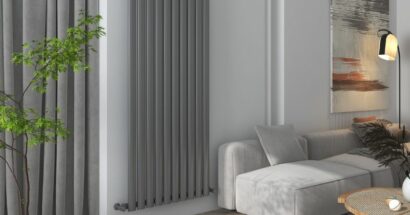
Electric radiators, like our Slimline Curve model, are designed with modern aesthetics in mind. The slim, minimalist profile of the Slimline Curve makes it perfect for a variety of interiors, offering sleek, unobtrusive heating without compromising on style. Available in contemporary colors like anthracite and white, these radiators blend seamlessly into your décor, whether in a modern apartment or a traditional home. Unlike traditional electric radiators, the Slimline model fits into any room without being bulky, making it a great option for homeowners who want both efficiency and design. - Panel Heaters:
Panel heaters have a clean, minimalist design that blends easily into modern spaces. They’re ideal for smaller rooms or areas where you want a subtle and simple heating solution. While their design is straightforward and functional, panel heaters typically don’t offer the same stylistic variety or premium finishes as electric radiators.
Key Takeaway: If you’re looking for a stylish heating solution, the Slimline Curve offers sleek, modern designs that complement any home, while panel heaters provide a minimalist approach but may lack the same level of visual appeal.

Best Locations: Electric Radiator vs Panel Heaters
Knowing the best spot to place your heater can make a big difference. It’s all about keeping you comfortable without wasting energy. Each room has its own needs.
Some rooms need quick warmth. Others need steady heat for a long time. Let’s see where electric panel heaters and electric radiators fit best in your home.
| Parts of House | Electric Panel Heaters | Electric Radiators |
| Living Room | Good for quick warmth during short use. | Better for constant, even heat during long periods. |
| Kitchen | Useful for quick heat while cooking or eating. | Works well for a steady temperature. |
| Bedroom | Ideal for heating just before bed and in the morning. | Best for overnight warmth. |
| Bathroom | Quick heating is handy for baths or showers. | Constant warmth is comforting. |
| The conservatory | Not ideal due to large glass areas and heat loss. | Excellent for maintaining a comfortable climate. |
| Hallway & Landing | Good for a quick warm-up as people come and go. | Suitable for continuous warmth in these areas. |
| Cloakroom | Quick heating works well in these small spaces. | Not usually necessary due to brief use. |
| Garage | Useful for heating up quickly when in use. | Ideal if used as a workshop for longer periods. |
| Office & Commercial | Good for offices needing a quick warm-up. | Better for steady warmth during work hours. |
Consider These Factors when Choosing the Right One for Your Home
Choosing between a panel heater or electric radiator takes more than picking a device. It means selecting the perfect fit for your home. Follow these tips to aid your decision.
Assessing Your Needs
Think about your room’s size and needs. Do you need quick warmth or steady heat? This shows if a panel heater or radiator works best. Small rooms favour both panel heaters and electric radiators while electric radiators suit larger areas needing cosy heat. Seeking advice from experts also helps understand suitable options.
Consultation and Purchase
Speak to knowledgeable suppliers about your home. Explain your lifestyle. They can recommend a solution that matches specific requirements. View options online and in stores to find excellent prices and features.
Heating Requirements and Preferences
Decide if fast heating or consistent warmth matters most. This helps choose whether a speedy panel heater or a durable electric radiator best fits your requirements.
Room Size and Insulation
Larger, well-insulated rooms suit electric radiators’ targeted heat. Smaller, draughty areas gain from a panel heater’s warmth, filling all spaces, however electric radiators will fit this purpose equally well with energy saving software such as Open Window Technology.. Explore our blog on the Electric Heater Size Guide for more information.
Energy Efficiency Goals
If saving money on bills is vital, inspect efficiency ratings. High-performing electric radiators prove economically efficient over the long term. For more insights, read our article on “Do Electric Heaters Use a Lot of Electricity?” to understand the efficiency of electric heaters.
Budget Considerations
Consider upfront price against running expenses. Affordable panels cost less initially, but efficient electric radiators eventually conserve fuel consumption.
Installation and Space Availability
Check wall space and simple do-it-yourself panel fitting. Electric radiators may require more room and may involve installation assistance.
Careful thought helps a satisfying buy meeting all winter heating desires for years ahead. Choosing correctly leads to cosy, economical warmth.
Make Your Home Cosier with the Right Electric Heating Solution
Understanding the differences between panel heaters vs electric radiators is crucial for making an informed decision. Panel heaters offer quick warmth and are ideal for smaller spaces or less frequent use.
On the other hand, electric radiators provide steady, efficient heat, making them perfect for larger areas or constant use.
Each option has unique benefits, from energy efficiency and cost-effectiveness to safety features and ease of installation. By weighing these factors, homeowners can choose the most suitable electric heating system. Browse our products online or visit our showroom for personalised recommendations.
Choose the Best Electric Radiators for Top Home Heating
As the UK’s leading supplier of high-quality electric radiators, we can help you select the perfect radiator to meet your household requirements. Our experts understand your needs better than anyone else, from family homes to commercial properties.
Speak to our friendly team to receive a free consultation and heating assessment. We will evaluate factors like room size, insulation, and energy goals to recommend the right panel heaters or electric radiators.
Contact us today to discuss customised strategies for heating every room efficiently and economically. Rely on our renowned customer service and reliability for comfortable warmth all year round.
FAQs
What Is the Difference Between a Panel Electric Heater and an Electric Radiator?
Panel electric heaters warm up quickly and are great for heating a room for a short time. They work by heating the air directly. Electric radiators take a bit longer to heat up but keep the room warm for longer. They work by heating a fluid/ceramic inside them or the radiator, warming the air. In short, panel heaters are for quick heat, and electric radiators are a permanent/longer lasting heating solution.
Are Panel Heaters Good for Large Rooms?
No, panel heaters are more suitable for small rooms and spaces than large ones. While they can heat up a large room, panel heaters are less effective at maintaining a consistent, even temperature throughout a large area over long periods.
Do panel heaters use more electricity than electric radiators?
Panel heaters can consume more electricity over longer heating periods because they primarily rely on convection and may need to cycle on more frequently. Electric radiators are often better suited for maintaining consistent temperatures over extended use.
Which is better for all-day heating: panel heaters or electric radiators?
Electric radiators are generally better for rooms requiring steady, long-term warmth throughout the day. Panel heaters are often more suitable for occasional use or situations where quick heat is needed.





Leave a Reply