


According to the UK government‑linked climate analysis and official statistics, domestic heating is one of the largest contributors to the UK’s greenhouse gas emissions, accounting for around 14% of total emissions when considering heat from buildings and household energy use, with natural gas combustion being the main source of this carbon output. This highlights how traditional fossil‑fuel‑based heating systems significantly contribute to climate change and local air pollution, affecting environmental and public health. Transitioning to low‑carbon, energy‑efficient heating technologies is therefore essential to meeting the UK’s legally binding net‑zero emissions commitment by 2050.
Heat Your Home While Staying Green
As we collectively move towards a greener future, we find ourselves re-evaluating the ways we heat our homes. Many homeowners are switching to more environmentally friendly heating systems, not only to reduce their carbon footprint but also to save on energy costs. If you’re wondering, “What is the most environmentally friendly heating system?” you’re not alone. From geothermal to hydrogen, there’s an exciting array of eco-conscious heating options available in the UK. Let’s dive into the details.
Eco-Friendly Electric Radiators
How They Work
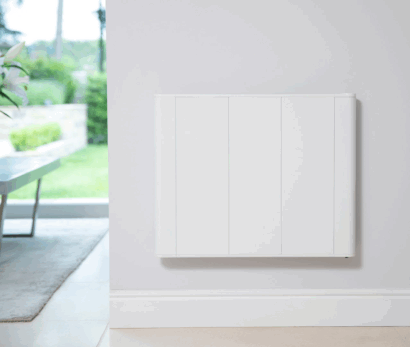
Electric radiators are a popular choice for eco-conscious homeowners. They convert 100% of electricity into heat, making them one of the most energy-efficient options available. These radiators are designed with smart controls and programmable thermostats that allow you to optimize heating when and where you need it most. Unlike traditional heating systems, electric radiators do not rely on fossil fuels and are free from combustion emissions, making them an ideal solution for a greener home.
Energy Efficiency
Electric radiators are incredibly efficient, as nearly all the electricity consumed is converted into usable heat. By using smart controls, such as the Wi-Fi Controlled Electric Radiators, you can remotely adjust the temperature in your home, ensuring energy is used only when necessary. The Slimline Curve Electric Radiators are particularly compact and stylish, offering both high efficiency and modern aesthetics.
Eco-Friendly Benefits
Electric radiators become even greener when paired with renewable energy sources like solar or wind power. They can be integrated into homes powered by green electricity, significantly reducing your overall carbon footprint. By using electric heating, you contribute to the UK’s efforts to decarbonize heating systems as part of its Net Zero by 2050 goal.
|
Pros |
Cons |
|
No emissions at the point of use |
Dependent on electricity costs, which can vary |
|
Efficient energy conversion |
Upfront investment may be higher than gas systems |
|
Smart control for energy savings |
|
|
Easy to install and maintain |
Electric Underfloor Heating
How It Works
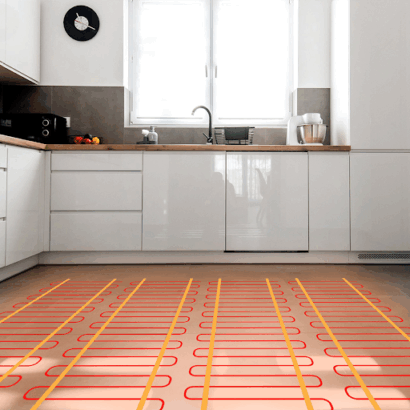
Electric underfloor heating systems use heating cables or mats installed beneath the floor to radiate heat. This method ensures even heat distribution throughout the room, eliminating the need for visible radiators and maximizing comfort. Underfloor heating works particularly well in well-insulated homes, where it can operate at lower temperatures, further enhancing efficiency.
Energy Efficiency
Underfloor heating is more energy-efficient than traditional systems because it doesn’t require high temperatures to heat the space. It can heat your home evenly, using less energy overall. The Cozee Electric Underfloor Heating Kit is an ideal solution for small to medium-sized rooms and offers easy installation with high energy efficiency.
Eco-Friendly Benefits
When powered by renewable electricity, electric underfloor heating becomes an eco-friendly solution that maximizes energy savings. It reduces the need for conventional radiators and can be paired with solar panels to create a completely sustainable home heating solution.
|
Pros |
Cons |
|
Even heat distribution for comfort |
Upfront installation cost can be higher |
|
Invisible and space-saving |
It takes longer to heat up large spaces |
|
Low maintenance |
Geothermal Heating Systems
How It Works
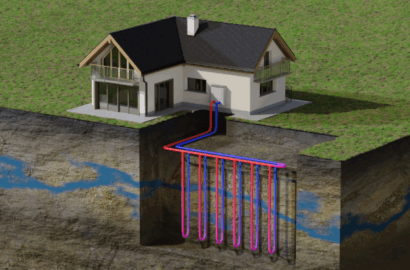
Geothermal heating systems tap into the earth’s natural warmth by using heat pumps that extract heat from the ground. These systems take advantage of the stable underground temperatures, providing reliable heating in the winter and cool air in the summer. Ground-source heat pumps are used to transfer this natural heat into your home, making them an eco-friendly and sustainable heating option.
Energy Efficiency
Geothermal systems are known for their high energy efficiency, offering up to 400% efficiency by delivering four times more energy than they consume. While the initial installation cost can be higher than that of traditional heating systems, the energy savings over time make it an excellent long-term investment.
Eco-Friendly Benefits
Geothermal heating is a carbon-neutral solution that significantly reduces greenhouse gas emissions. It’s one of the most environmentally friendly ways to heat your home, as it relies on the earth’s natural temperature, which produces no combustion emissions.
|
Pros |
Cons |
|
Highly efficient with low energy consumption |
High upfront installation cost |
|
Carbon-neutral when installed correctly |
Requires a significant amount of land space for installation |
|
Long-term savings on energy bills |
|
|
Sustainable and reliable throughout the year |
Biomass Heating Systems

How It Works
Biomass heating systems use organic materials, like wood pellets, to generate heat. These systems burn the biomass to produce heat for radiators, hot water, or even electricity. As a carbon-neutral option, biomass heating is considered a sustainable alternative to fossil fuel-based systems.
Energy Efficiency
Biomass heating systems can be efficient when using sustainably sourced fuel. However, they typically require more energy to operate than electric heating systems. Sourcing responsibly produced wood pellets ensures that the system remains environmentally friendly.
Eco-Friendly Benefits
Biomass is carbon-neutral when sourced sustainably, as the carbon dioxide released during combustion is offset by the carbon absorbed during the growth of the plants. It’s a renewable alternative to gas and oil heating systems, helping to reduce the reliance on fossil fuels.
|
Pros |
Cons |
|
Renewable energy source |
Requires storage space for fuel |
|
Carbon-neutral when sustainably sourced |
Not as clean as other renewable options |
|
Lower fuel costs if locally sourced |
Higher maintenance and monitoring needs |
|
Reduces reliance on fossil fuels |
Infrared Heating Panels

How It Works
Infrared heating panels work by emitting infrared radiation, which heats people and objects directly in the room. This method is more efficient than traditional air-based heating because it avoids the energy loss caused by heating the air, offering more direct warmth and faster results.
Energy Efficiency
Infrared panels are energy-efficient because they operate at lower temperatures compared to conventional systems, requiring less electricity to maintain warmth. They also minimize heat loss, delivering heat directly to the surfaces and people in the room.
Eco-Friendly Benefits
Infrared heating offers a clean solution by avoiding the carbon emissions associated with fossil fuels. When paired with green electricity, infrared panels become a highly eco-friendly way to heat your home.
|
Pros |
Cons |
|
Low energy consumption |
May feel uncomfortable in large, open spaces |
|
Slow heat up and provide warmth |
Requires more panels for larger rooms |
|
No air movement or dust, ideal for allergy sufferers |
Limited range without additional units |
|
Cold spots in the room |
Air-Source Heat Pumps
How It Works
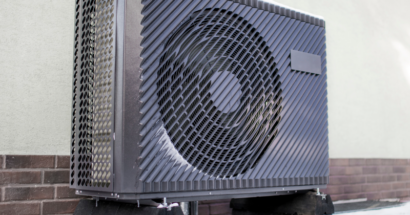
Air-source heat pumps extract heat from the outside air, even when it’s cold, and transfer it into your home. These systems can be used for heating radiators, underfloor heating, and warm air convectors, making them a versatile option for efficient home heating.
Energy Efficiency
Air-source heat pumps are highly efficient systems, with a coefficient of performance (COP) that is often 3 or higher. This means for every unit of electricity they consume, they produce three or more units of heat. However, they are less efficient in extremely cold weather.
Eco-Friendly Benefits
When paired with renewable electricity, air-source heat pumps can provide low-carbon heating. They help reduce reliance on gas boilers and contribute to the UK’s goal of achieving net-zero emissions by 2050.
|
Pros |
Cons |
|
Efficient heating, even in colder weather |
Less efficient in extreme cold |
|
Reduces emissions when used with renewable electricity |
The initial installation cost can be higher than that of gas boilers |
|
Cost-effective in the long term with lower fuel costs |
Requires regular maintenance to keep performance optimal |
|
Sustainable and reliable throughout the year |
Hydrogen Heating Systems
How It Works
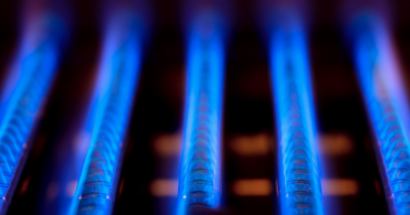
Hydrogen heating systems are an innovative, emerging technology that burns hydrogen gas to generate heat. The byproduct of this process is water, making hydrogen an incredibly clean fuel source. This technology is still in the development and testing phase, but it shows great promise as a zero-emission heating solution.
Energy Efficiency
Hydrogen heating is an efficient process, with hydrogen fuel cells able to generate heat and power with minimal waste. While this technology is not yet as widespread as other low-carbon heating options, it has the potential to offer highly efficient, clean heating once fully scaled.
Eco-Friendly Benefits
Hydrogen heating systems are carbon-neutral when hydrogen is produced using renewable energy sources like wind or solar power. Since burning hydrogen produces only water vapor, this system has the potential to be one of the cleanest ways to heat homes in the future, making it an exciting alternative to natural gas.
|
Pros |
Cons |
|
Zero emissions at the point of use (produces only water vapor) |
Hydrogen production remains expensive and inefficient on a large scale |
|
Potential for clean, renewable hydrogen when paired with green energy sources |
Infrastructure for hydrogen production and distribution is not widely available |
|
Can provide high-efficiency heating |
Current cost and adoption rates are still high due to technological limitations |
Masonry Heating Systems

How It Works
Masonry heating stoves use brick or stone to absorb heat during a fire and then radiate it slowly into the room. This method of heating is energy-efficient because the thermal mass of the masonry allows the system to store heat for long periods, releasing it gradually even after the fire has gone out.
Energy Efficiency
Masonry heating stoves are incredibly efficient in storing and radiating heat over time. While they require more time to heat up initially, once they’re heated, they continue to emit warmth for hours. This long-lasting heat reduces the need for continuous fuel consumption, making it a sustainable choice for heating.
Eco-Friendly Benefits
These systems are considered eco-friendly when fueled with renewable materials such as wood or biomass, as the combustion of natural materials produces fewer emissions than traditional fossil fuel-based heating systems. Additionally, masonry heating systems are often built with natural, non-toxic materials, further reducing their environmental impact.
|
Pros |
Cons |
|
Thermal efficiency for long-lasting heat without constant fuel use |
High installation cost and space requirements |
|
Uses renewable fuel sources like wood or biomass |
Time-consuming to heat up compared to other systems |
|
Space-efficient, once installed, and can be integrated into various home styles |
Requires a proper chimney or ventilation system for combustion |
|
Low environmental impact when built with natural materials |
Consider Investing in Insulation
While not a heating system per se, insulation plays a significant role in making your home heating more efficient and environmentally friendly. By reducing heat loss, you’ll need less energy to maintain a comfortable temperature, complementing your eco-friendly heating system.
In our experience at Best Electric Radiators, we’ve seen how pairing an efficient heating system with excellent insulation can transform a home’s energy usage and comfort.
Final Thoughts
Choosing an environmentally friendly heating system is an excellent way to reduce your carbon footprint and save on energy costs. As technology continues to advance, we can expect to see even more innovative and eco-friendly heating solutions. With this comprehensive guide, we hope you’re a little closer to finding the perfect green heating solution for your UK home.
At Best Electric Radiators, we’re passionate about helping our customers find the perfect heating solutions for their homes. If you need any further assistance, don’t hesitate to reach out. We’re always here to help you heat your home while staying green!
FAQ
What makes a heating system environmentally friendly?
An environmentally friendly heating system is one that minimizes carbon emissions and relies on renewable energy sources or energy-efficient technologies. Examples include geothermal heat pumps, solar heating, and electric heating systems powered by green electricity. These systems help reduce the use of fossil fuels, lower overall emissions, and contribute to sustainability efforts by utilizing clean, renewable resources.
How can I make my heating system more energy-efficient?
To maximize your heating system’s energy efficiency, consider using smart thermostats to regulate temperature, programming heating schedules to match your needs, and ensuring your home is well-insulated to prevent heat loss. Also, regular maintenance and upgrading to a more efficient heating system, like electric radiators, can lead to greater efficiency and savings.
Are electric heating systems really more eco-friendly than gas heating?
Yes, electric heating systems are more eco-friendly, especially when powered by renewable energy sources like wind or solar. Unlike gas heating, electric systems don’t produce combustion emissions and can be paired with green electricity, which significantly reduces their overall carbon footprint.
Can I reduce my heating costs by switching to eco-friendly systems?
While the upfront costs for eco-friendly heating systems can sometimes be higher, they typically offer long-term savings. They consume less energy and, when powered by renewable sources, can significantly reduce energy bills. Additionally, many governments and organizations offer incentives or rebates for installing energy-efficient systems.
How long does it take to see the benefits of switching to an eco-friendly heating system?
Electric radiators are one of the fastest eco-heating options to pay off. They’re cheap to install, start saving energy from day one, and smart controls cut waste room by room. Most homeowners see lower bills within the first winter, much quicker than heat pumps or solar, which can take one to two years to offset their higher upfront costs.






Leave a Reply