


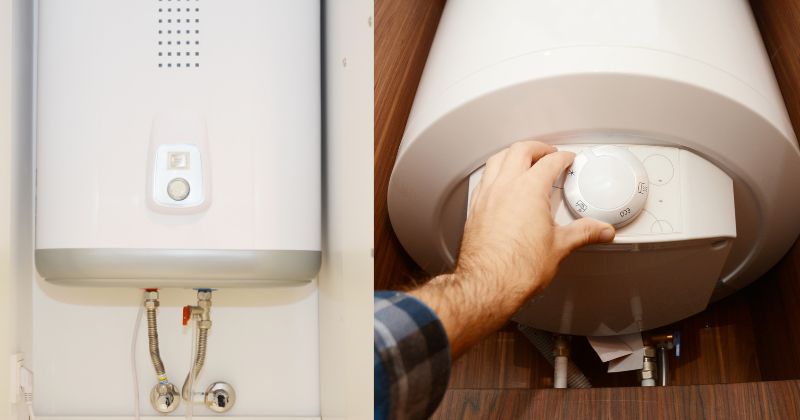
Gas boilers and gas central heating systems have been the backbone of home heating for decades. They started during the Industrial Revolution and completely changed how we heat our homes. In fact, about 86 % of UK households used a gas‑fired main heating system in 2023‑24, highlighting continued reliance on gas boilers even as energy prices and environmental priorities shift.
But as our technology improves, so do our choices for keeping our homes warm. Gas boilers are common, but they could be better. They can be expensive to maintain, not great for the environment (gas boilers in UK homes emit about 2.2 tonnes of CO₂ annually), and their running costs can go up and down a lot.
Thinking about switching to something better for the planet, saves you money, and is more efficient? You’re in good company. A lot of people are looking at alternatives to gas boilers and alternatives to gas central heating.
Let’s have a look at some alternatives to gas boilers. These aren’t just substitutes but smart choices for a better future. The year 2026 is all about innovation in this space. Among these innovations, electric radiators are making a big splash as a top alternative to gas boilers.

What is a Gas Boiler?
A gas boiler is like the heart of a home’s heating system. It heats water and sends warmth through your house. This warmth can come out through radiators or underfloor heating systems. It’s a common choice in many homes but not the only one.
So, how does a gas boiler work?
It burns gas to heat water. This hot water then travels through pipes and into radiators. It’s a simple yet effective way to keep your home cosy. But it’s not just about warmth. Gas boilers also provide hot water for showers, taps, and appliances.

Is It Possible to Have Green Alternatives to Gas Boilers?
Yes! The shift towards green energy has opened up a world of possibilities for heating our homes. These eco-friendly alternatives reduce our carbon footprint and offer innovative and efficient ways to stay warm.
Now, you might wonder, “Why are people looking for an alternative to gas boilers?” Well, even though gas boilers are helpful, they have some downsides. They can be costly to run and maintain. Plus, they’re not the best for our planet. That’s why many are exploring gas boiler alternatives.
In modern homes, being energy-efficient and eco-friendly is becoming more important. These alternatives, like electric radiators, are gaining popularity. They’re seen as a smarter choice for the future.
So, while gas boilers have been a go-to for years, it’s worth considering other options. Alternative to gas boilers options are about more than just keeping warm. They’re about making smart choices for our homes and the environment.
Remember, the goal is the same whether it’s a gas boiler or an alternative to gas central heating. We all want a warm, comfortable home. The good news is, there are now more ways than ever to make that happen!
10 Green Alternatives To Gas Boilers
Now, let’s take a closer look at these 10 alternatives to gas boilers, each with its unique features and benefits. From electric radiators to super insulation and air sealing, you’ll find options tailored to various needs and preferences, promising a greener and more efficient way to heat your home.
Electric Radiators
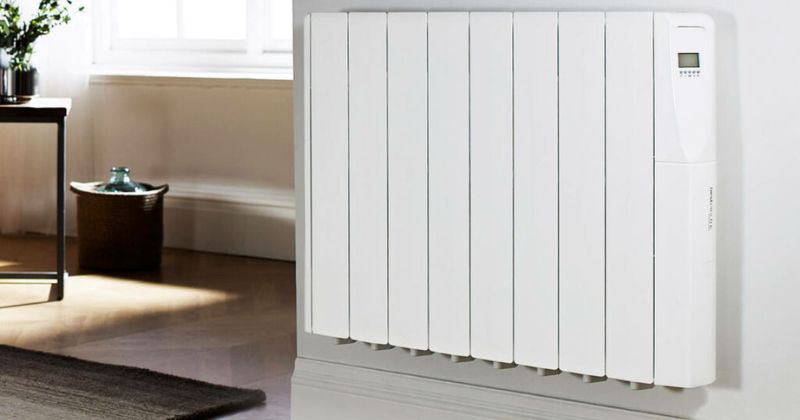
Electric radiators convert electricity into heat, providing precise temperature control. They’re a great fit for homes without a gas supply or for heating smaller spaces.
Electric radiators are an increasingly popular alternative to gas boilers, offering a convenient and energy-efficient way to heat homes. As more homeowners look for sustainable solutions, electric radiators stand out for their ease of installation, precise temperature control, and reduced environmental impact. Best Electric Radiators, a trusted UK brand, offers a range of stylish, reliable products designed to meet diverse heating needs. With their commitment to quality, customer satisfaction, and eco-friendly solutions, Best Electric Radiators offers an attractive option for those seeking reliable, efficient home heating.
Suitable for
Electric radiators are ideal for a variety of living spaces and applications. They are especially suitable for:
- Homes of any size: Because you choose the size and number of radiators to match each room, they work just as well in a large house as a small flat.
- Individual room heating: Useful for heating specific areas, like bedrooms or offices, without wasting energy in unused spaces.
- Eco-conscious homes: Pairing with renewable energy sources such as solar power, electric radiators can be part of a green heating solution.
Pros
- Energy Efficiency: Electric radiators convert almost 100% of the electricity into usable heat, ensuring efficient warmth without the waste associated with traditional gas boilers.
- Easy Installation: No need for complex plumbing or gas lines, making installation quick and straightforward.
- Room-Specific Control: Ability to heat individual rooms as needed, offering more control over energy consumption and costs.
- Modern and Sleek Design: Available in various sizes and styles to complement any home décor.
- Low Maintenance: Electric radiators require little upkeep compared to gas boilers, which need regular servicing and checks.
- Warranty: All electric radiators come with a 2-year manufacturer’s warranty on electrical components and a 10-year manufacturer’s warranty on the radiator body, ensuring long-lasting reliability and peace of mind.
- 30-Day Money-Back Guarantee: Best Electric Radiators offers a 30-day money-back guarantee, allowing you to return or replace your radiator if you’re not completely satisfied.
Cons
- Runs on electricity alone: There’s no gas line, fuel deliveries, or storage to manage.
| Aspect | Details |
| Suitable for | Any sized home |
| Pros | Energy efficiency, easy installation, room-specific control, modern design, low maintenance |
| Cons | Runs on electricity alone |
Electric Water Heaters
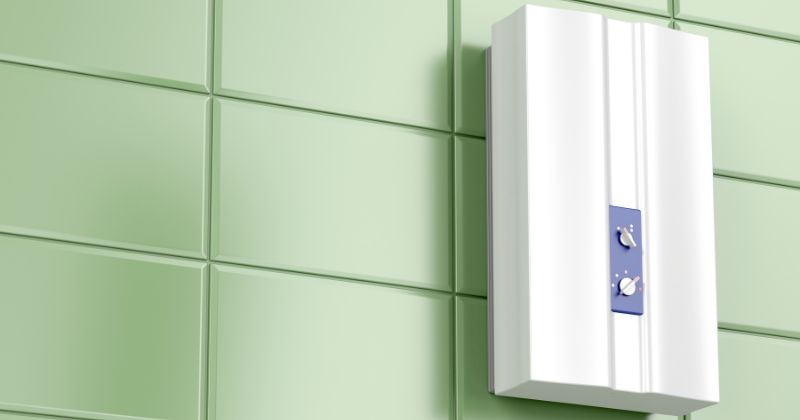
Electric water heaters are an eco-friendly solution for heating water, with the potential to be powered by renewable sources.
They are a convenient and efficient alternative to traditional gas systems, offering instant access to hot water without the need for complex plumbing. They are ideal for homes without a gas supply, smaller living spaces, or for those who want an easy-to-install, space-saving solution. Electric water heaters are known for their reliability and straightforward operation, making them a popular choice for modern homes. Whether you’re looking for an energy-efficient solution or simply want to upgrade your current water heating system, electric heaters provide fast, consistent, and safe hot water whenever you need it.
Suitable for
Electric water heaters are perfect for:
- Homes without a gas supply: Ideal for properties where installing a gas system isn’t feasible.
- Homes of any size: Compact and easy to install, water heaters come in a range of sizes, so you can choose one to match your space and hot water needs, whether it’s a flat or a larger house.
- Bathrooms and kitchens: Efficient and fast hot water for showers, baths, and kitchen taps.
- Eco-conscious households: Many electric water heaters work well with renewable energy sources, offering an environmentally friendly heating option.
Pros
- Energy-efficient: Electric water heaters convert electricity directly into heat, making them highly efficient and reliable.
- Space-saving design: These units are compact and easy to install, making them ideal for small spaces like apartments and bathrooms.
- Fast heating: Electric water heaters provide hot water quickly, typically shower-ready in around 30-50 minutes with fast reheat times afterwards.
- User-friendly: Simple to use with minimal maintenance, and some models come with smart features for remote control and energy monitoring.
- Safety features: Built-in protection systems, such as anti-legionella features, ensure safe and reliable operation.
Cons
- Sized to your household: Like any water heater, the right capacity depends on how much hot water you use, so it’s worth choosing a tank size that matches your household’s demand.
- Professional installation: Fitting a water heater usually requires a trained installer, so factor in installation as part of the setup.
| Aspect | Details |
| Suitable for | Homes without a gas supply, smaller spaces, bathrooms, kitchens, and eco-conscious households |
| Pros | Energy-efficient, space-saving, fast heating, user-friendly, and safety features |
| Cons | Tank size should match household demand, and professional installation is usually required |
Air Source Heat Pumps

Air source heat pumps absorb heat from the outside air to heat your home and water, making them ideal for well-insulated homes in milder climates.
They are a type of electric heating system that uses the heat in the outside air to warm your home and provide hot water. Rather than burning fuel like a gas boiler, they transfer heat from the air into your house using electricity, often making them much more efficient and lower‑carbon than traditional heating systems. ASHPs are becoming a popular choice in the UK as homeowners look for cleaner alternatives to gas boilers, and they can even be paired with renewable electricity to reduce running costs and environmental impact.
Suitable for
Air source heat pumps are particularly suitable for:
- Homes without a gas supply – where gas central heating isn’t available or practical.
- Well‑insulated properties – they work most efficiently in homes with good insulation and airtightness.
- Modern builds and renovations – new or recently upgraded homes can maximise efficiency.
- Homes with outdoor space – the outdoor unit needs space and airflow around it.
- Eco‑minded households – those looking to reduce carbon emissions and heating costs over the long term.
Pros
- High efficiency – ASHPs typically produce 3–4 units of heat for every 1 unit of electricity used, making them far more efficient than traditional electric or combustion heating.
- Lower carbon emissions – because they rely on heat transfer rather than combustion, they can significantly reduce household carbon output.
- Long lifespan – many systems can last 15–20 years or more with proper maintenance.
- Government support – in the UK, grants such as the Boiler Upgrade Scheme can help offset upfront installation costs.
- Dual function (some models) – certain ASHPs can deliver both heating and cooling, adding year‑round comfort.
Cons
- High upfront cost: Installation can be expensive compared with replacing a like‑for‑like gas boiler, especially in an existing home.
- Efficiency varies with temperature: ASHPs are less efficient in very cold weather than in milder conditions, and home insulation often needs to be improved to get the best performance.
| Aspect | Details |
| Suitable for | Homes without gas, well‑insulated properties, modern builds/renovations, outdoor space, eco‑minded households |
| Pros | High efficiency, lower carbon emissions, long lifespan, government support, some models offer heating & cooling |
| Cons | High upfront cost, efficiency changes depending on outdoor temperature |
Ground Source Heat Pumps

Ground source heat pumps use pipes buried in your garden to extract heat from the ground, offering a highly efficient heating solution.
Unlike conventional boilers that rely on fossil fuels, ground source heat pumps harness renewable energy, making them a sustainable option for those looking to reduce their carbon footprint. They work by circulating a fluid through pipes buried underground, which absorbs heat from the earth and transfers it into your home. Though the initial installation costs can be high, ground source heat pumps can provide long-term savings and a more environmentally friendly heating alternative for homes.
Suitable for
Ground source heat pumps are particularly suitable for:
- Homes with outdoor space: The installation requires a large area of land for the underground pipe system, making them best suited for properties with gardens or larger outdoor spaces.
- Well-insulated homes: GSHPs work most efficiently in homes that are well-insulated and airtight, as they provide consistent, low-temperature heating over extended periods.
- Eco-conscious households: They are ideal for homeowners who want to reduce their carbon footprint and make use of renewable energy for heating and hot water.
- New builds or extensive renovations: Perfect for new homes or properties undergoing major renovations, as the system integrates well with modern, energy-efficient homes.
Pros
- Highly energy-efficient: Ground source heat pumps are one of the most efficient heating systems available, often providing 3–4 units of heat for every 1 unit of electricity used.
- Low operating costs: Once installed, GSHPs offer low running costs, especially compared to oil or gas heating systems, thanks to their efficiency and reliance on free, renewable energy from the ground.
- Long lifespan: Ground source heat pumps can last for 20 years or more with proper maintenance, making them a long-term investment.
- Environmentally friendly: By using the earth’s natural heat, they produce far fewer greenhouse gas emissions compared to traditional heating methods. When powered by renewable electricity, they are a carbon-neutral solution.
- Government incentives: There are various schemes, such as the Renewable Heat Incentive (RHI) in the UK, that provide financial incentives to homeowners who install ground source heat pumps.
Cons
- High upfront cost: Installation of a ground source heat pump can be expensive due to the need for extensive groundwork and drilling. However, this cost can be offset by long-term savings and government incentives.
- Requires substantial outdoor space: The system requires space for the underground pipework (either horizontal or vertical loops), making it unsuitable for smaller properties or homes with limited outdoor space.
| Aspect | Details |
| Suitable for | Homes with outdoor space, well-insulated homes, eco-conscious households, new builds, or major renovations |
| Pros | Highly energy-efficient, low operating costs, long lifespan, environmentally friendly, and government incentives |
| Cons | High upfront cost, requires substantial outdoor space for installation |
Hydrogen Boilers
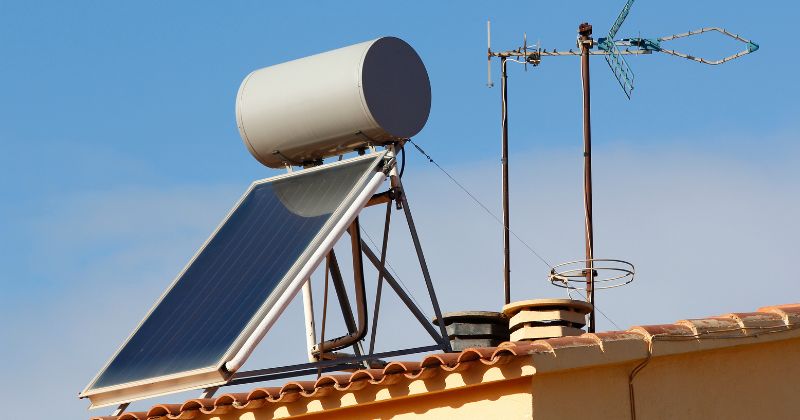
Hydrogen Boilers are a promising innovation in the world of home heating. These systems burn hydrogen gas to produce heat and hot water, offering a low-carbon alternative to traditional gas boilers. Since hydrogen is a clean fuel, burning it results in zero carbon emissions, making hydrogen boilers a key part of the transition towards greener energy sources. While hydrogen boilers are still in the early stages of mainstream adoption, they are a highly promising option for reducing carbon footprints in homes, especially as the infrastructure for hydrogen production and distribution continues to improve.
Suitable for
Hydrogen boilers are particularly suitable for:
- Homes with existing gas heating systems: Since hydrogen boilers are designed to replace traditional gas boilers, they can be installed in homes that already have a gas network.
- Eco-conscious homeowners: Ideal for those who are looking to reduce their carbon emissions and support renewable energy solutions.
- Areas with access to hydrogen infrastructure: Homes located in areas where hydrogen supply is readily available are prime candidates for hydrogen boiler installations.
- Homes undergoing future-proofing: As the energy landscape shifts towards renewable solutions, hydrogen boilers can be an integral part of future-proofing heating systems.
Pros
- Zero carbon emissions: Hydrogen boilers produce heat with no harmful emissions, making them an environmentally friendly choice.
- Easy transition from gas: These systems are designed to be compatible with existing gas infrastructure, meaning they can replace traditional gas boilers without major adjustments to the home’s heating setup.
- Energy efficient: Hydrogen boilers have the potential to be highly efficient, offering effective heating and hot water without relying on fossil fuels.
- Renewable energy source: Hydrogen can be produced using renewable sources such as wind, solar, or biomass, further enhancing its green credentials.
- Future-ready technology: As governments move towards a hydrogen economy, hydrogen boilers are part of long-term plans to decarbonise heating and improve energy security.
Cons
- High cost and limited availability: Hydrogen boilers are still relatively expensive to install and are not yet widely available, making them less practical for some homeowners.
- Hydrogen supply challenges: Currently, hydrogen infrastructure is limited, and it may take years before widespread hydrogen supply networks are established in all areas.
| Aspect | Details |
| Suitable for | Homes with existing gas heating, eco-conscious homeowners, areas with hydrogen infrastructure, and homes being future-proofed |
| Pros | Zero carbon emissions, easy transition from gas, energy efficient, renewable energy source, future-ready technology |
| Cons | High cost, limited availability, and hydrogen supply challenges |
Solar Thermal Panels

Solar thermal panels are an eco-friendly solution for heating your home and water using the power of the sun. These systems capture solar energy through solar collectors installed on your roof, converting sunlight into heat that can be used to warm water for domestic use or to assist with space heating. As part of the push towards renewable energy, solar thermal panels are a sustainable and increasingly popular choice for homeowners looking to reduce their carbon footprint and energy bills. With their ability to harness free and abundant solar energy, they provide a reliable source of heat, especially in sunny climates.
Suitable for
Solar thermal panels are particularly suitable for:
- Homes with sufficient roof space: Solar panels need a clear, unobstructed area of your roof to absorb maximum sunlight, making them ideal for homes with large, south-facing roofs.
- Eco-conscious homeowners: Those seeking to reduce their reliance on fossil fuels and lower their carbon footprint can benefit greatly from solar thermal energy.
- Homes in sunny regions: Best suited for areas that receive consistent sunlight throughout the year, as solar thermal panels rely on solar radiation to generate heat.
- Supplementing traditional heating systems: Ideal for homes that already have a central heating system, as solar thermal panels can provide hot water and preheat systems, lowering overall energy consumption.
Pros
- Renewable energy source: Solar thermal panels provide a clean, renewable source of energy by converting sunlight into heat, reducing the need for fossil fuels.
- Lower energy bills: By using free energy from the sun, solar thermal panels can significantly reduce your water heating costs, making them a cost-effective solution over time.
- Low maintenance: Once installed, solar thermal panels require minimal maintenance and have a long lifespan of 20–25 years, making them a reliable investment.
- Supports energy independence: Solar thermal systems help reduce reliance on grid electricity or gas for water heating, offering greater energy independence.
- Government incentives: In some regions, there are government rebates and incentives that can help cover the initial cost of installing solar thermal panels.
Cons
- Initial installation cost: The upfront cost of purchasing and installing solar thermal panels can be relatively high, which might deter some homeowners.
- Dependence on sunlight: Solar thermal panels rely on sunlight, so their efficiency can be affected by weather conditions, especially in areas with frequent cloud cover or long winters.
| Aspect | Details |
| Suitable for | Homes with sufficient roof space, eco-conscious homeowners, sunny regions, and homes looking to supplement heating systems |
| Pros | Renewable energy source, lower energy bills, low maintenance, supports energy independence, and government incentives |
| Cons | High initial installation cost, dependent on sunlight and weather conditions |
Infrared Heating Panels
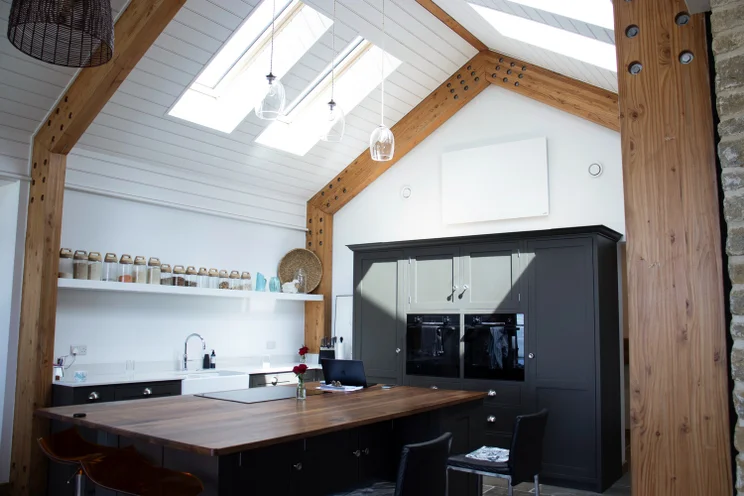
Infrared heating panels are a modern, energy-efficient way to heat your home. Unlike traditional heating systems that warm the air, infrared panels work by emitting infrared radiation, which directly heats objects and people in the room. This method provides a more comfortable, even warmth without the dry air often associated with conventional heating. Infrared panels are increasingly popular due to their sleek design, energy efficiency, and the fact that they can be mounted on walls or ceilings, saving valuable floor space. Whether you’re looking for a primary heating solution or a supplemental one, infrared heating panels offer a unique and eco-friendly way to stay warm.
Suitable for
Infrared heating panels are ideal for a variety of situations:
- Smaller homes and rooms: Perfect for compact spaces, where they can effectively heat rooms quickly and efficiently.
- Eco-conscious homeowners: As a form of electric heating, infrared panels are a clean option that can help reduce carbon footprints, especially when paired with renewable energy sources.
- Renovations and modern homes: They blend seamlessly with modern interiors and are often used in newly renovated or well-insulated homes.
- Supplemental heating: Infrared panels work well as a secondary source of heat in rooms that need extra warmth, such as bedrooms, bathrooms, or offices.
Pros
- Energy-efficient: Infrared panels heat the objects and people directly, requiring less energy to warm up a room compared to traditional heating systems.
- Quick and consistent heat: These panels warm up instantly and maintain a steady, even temperature, offering more comfortable heating throughout the room.
- Low maintenance: With no moving parts and no need for regular servicing, infrared heating panels require very little maintenance.
- Space-saving design: Infrared panels are slim and can be mounted on walls or ceilings, freeing up floor space and seamlessly blending into modern interiors.
- Safe and non-drying: Infrared heat doesn’t dry out the air, making it a more comfortable option for people with respiratory issues or skin sensitivities.
Cons
- Limited coverage area: Infrared panels are best suited for smaller spaces or rooms where direct heating is more effective. They may not be ideal for large, open-plan areas.
- Upfront cost: While they offer energy savings in the long term, infrared heating panels can have a higher initial cost compared to traditional radiators, which might make some homeowners hesitant.
| Aspect | Details |
| Suitable for | Smaller homes, eco-conscious homeowners, modern homes, supplemental heating for specific rooms |
| Pros | Energy-efficient, quick and consistent heat, low maintenance, space-saving, safe, and non-drying heat |
| Cons | Limited coverage area for larger spaces, higher upfront cost compared to traditional heating systems |
Solar-Powered Electric Heating
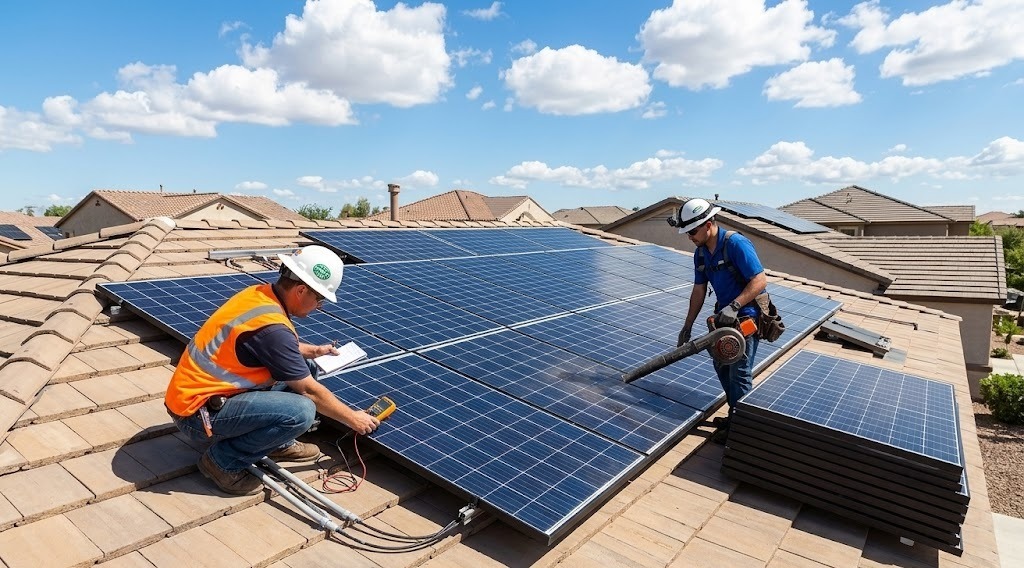
Solar-powered electric heating is a sustainable, cost-effective way to heat your home using the power of the sun. By combining solar panels with electric heating systems, solar-powered heating offers a green solution to reduce reliance on traditional fossil fuels. These systems harness solar energy to generate electricity, which can then be used to power electric heaters or provide hot water. As a growing renewable energy technology, solar-powered electric heating systems are increasingly popular for eco-conscious homeowners looking to reduce their carbon footprint and energy costs. It’s an innovative way to make use of free, clean energy from the sun while staying warm and comfortable in your home.
Suitable for
Solar-powered electric heating is particularly suitable for:
- Homes with sufficient sunlight: These systems work best in areas with adequate sunlight throughout the year. Homes with a roof space that receives good sun exposure are ideal.
- Eco-conscious households: If you’re looking to reduce your carbon footprint and use renewable energy, solar-powered heating is an excellent choice.
- New builds or energy-efficient homes: Solar systems are a perfect fit for modern homes with good insulation and energy-saving features, maximizing the potential of solar energy.
- Supplementing traditional heating systems: Solar-powered heating can be used as a supplementary source of heat, reducing your reliance on electricity from the grid or gas for heating purposes.
Pros
- Renewable energy source: Solar-powered electric heating relies on sunlight, a free and abundant energy source, reducing dependence on fossil fuels and lowering carbon emissions.
- Lower energy costs: Once installed, solar-powered heating systems significantly reduce electricity bills, especially in sunny regions where they can generate enough energy to cover most of your heating needs.
- Environmentally friendly: Solar-powered heating systems are an eco-friendly choice, helping to reduce greenhouse gas emissions compared to traditional heating systems like gas boilers.
- Low maintenance: Solar-powered heating systems are relatively low maintenance. The main maintenance task is keeping the solar panels clean and ensuring there’s no debris blocking sunlight.
- Government incentives: In many regions, there are government schemes and incentives that help reduce the initial installation costs of solar-powered heating systems, making them more affordable.
Cons
- Initial installation cost: The upfront cost of installing solar panels and integrating them with electric heating systems can be high, although this cost is often offset by long-term savings.
- Dependent on sunlight: Solar-powered heating systems rely on sunlight, so their performance can be impacted by weather conditions and the amount of sunlight available, making them less effective in cloudy or low-sunlight areas.
| Aspect | Details |
| Suitable for | Homes with good sunlight, eco-conscious homeowners, new builds, or homes looking to supplement traditional heating |
| Pros | Renewable energy source, lower energy costs, environmentally friendly, low maintenance, government incentives |
| Cons | High initial installation cost, dependent on sunlight and weather conditions |
Biomass Boilers
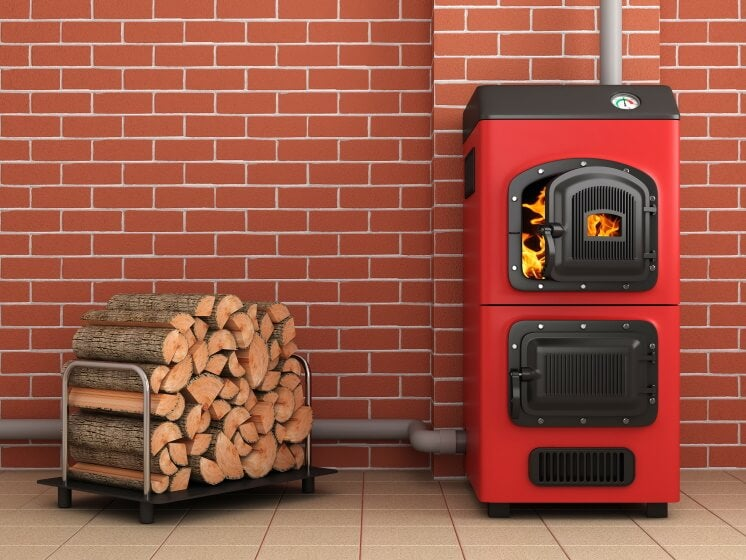
Biomass boilers offer a sustainable and renewable way to heat your home by burning organic materials such as wood pellets, chips, or logs to generate heat. This system is an eco-friendly alternative to traditional gas or oil boilers, as it uses renewable fuel sources that can significantly reduce carbon emissions. Biomass heating is becoming an increasingly popular option for homeowners who want to lower their carbon footprint while benefiting from a renewable, home-grown energy source. While biomass boilers require a bit more maintenance and space than conventional systems, their long-term environmental and cost-saving benefits make them a strong contender for sustainable home heating solutions.
Suitable for
Biomass boilers are particularly suitable for:
- Homes with access to biomass fuel: Ideal for properties with easy access to wood pellets, logs, or chips, often in rural or semi-rural locations.
- Larger homes or buildings: Biomass boilers are well-suited for homes with higher heating demands due to their ability to provide heat for both space heating and hot water.
- Eco-conscious households: Homes looking to reduce their carbon footprint and switch to renewable, low-carbon heating solutions.
- Properties with outdoor space: Biomass boilers typically require a larger installation space, including room for storing fuel such as wood pellets or logs.
Pros
- Renewable energy source: Biomass boilers use organic materials such as wood pellets, which are renewable and sustainable, making them a great alternative to fossil fuels.
- Low carbon emissions: Biomass heating systems produce significantly fewer carbon emissions than traditional oil or gas boilers, helping to reduce your home’s environmental impact.
- Long-term cost savings: Biomass fuels, especially wood pellets, can be more affordable than oil or gas in some regions, leading to long-term savings on heating bills.
- Government incentives: In some countries, including the UK, there are financial incentives and grants available for installing biomass boilers, making them more affordable to homeowners.
- Versatility: Biomass systems can provide both central heating and hot water, making them a complete home heating solution.
Cons
- High initial installation cost: The upfront cost of purchasing and installing a biomass boiler can be higher compared to conventional gas or oil boilers, though the long-term savings on fuel can offset this.
- Storage space requirements: Biomass boilers need significant space for both the boiler unit itself and the storage of fuel, such as wood pellets or logs, making them less suitable for homes with limited storage space.
| Aspect | Details |
| Suitable for | Homes with access to biomass fuel, larger homes with higher heating needs, eco-conscious households, properties with outdoor space |
| Pros | Renewable energy source, low carbon emissions, cost savings in the long term, government incentives, versatility (heating + hot water) |
| Cons | High initial installation cost, storage space requirements for fuel |
Underfloor Heating
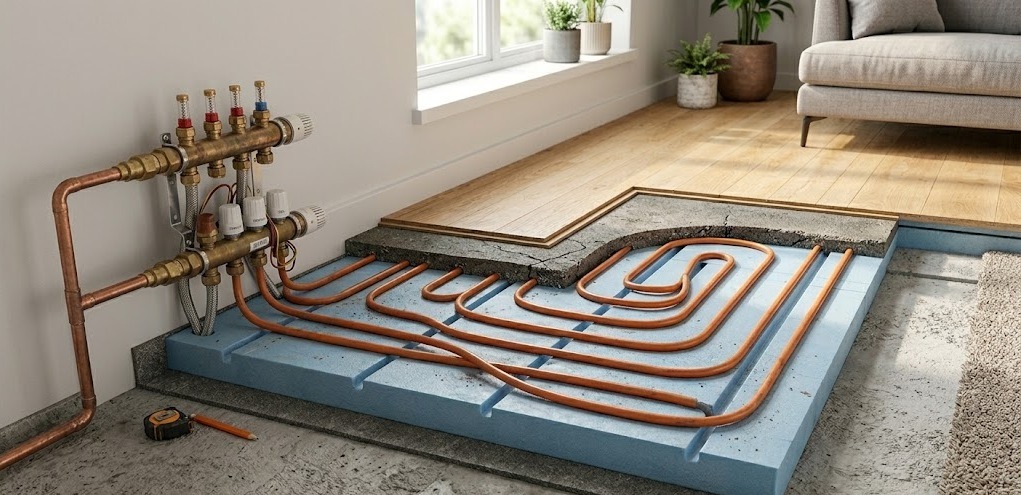
Underfloor heating distributes heat evenly across the floor, providing a consistently comfortable temperature and an efficient heating solution. Unlike traditional radiators, underfloor heating systems work by running warm water or electrical cables beneath the floor, which then radiates heat upwards into the room. This method ensures that warmth is evenly distributed, creating a comfortable and cozy environment without the need for visible heating elements. As an increasingly popular choice for new builds and home renovations, underfloor heating offers energy-efficient and space-saving benefits, making it an attractive option for homeowners.
Suitable for
Underfloor heating is particularly suitable for:
- Homes with new or renovated flooring: Ideal for new builds or major renovations, especially when the flooring is being replaced.
- Eco-conscious homeowners: Underfloor heating systems are energy-efficient, providing uniform heat distribution while using less energy than traditional radiators.
- Homes with limited wall space: These systems eliminate the need for bulky radiators, freeing up space on walls and improving room aesthetics.
- Rooms requiring consistent heat: Perfect for spaces like bathrooms, kitchens, and living rooms, where even heat distribution is desirable for comfort.
- Low-temperature systems: Best for homes that use energy-efficient heat sources like heat pumps, as underfloor heating operates at lower temperatures than traditional systems.
Pros
- Even heat distribution: Underfloor heating provides consistent warmth across the entire room, eliminating cold spots often experienced with traditional heating methods.
- Energy-efficient: These systems operate at lower temperatures, making them more energy-efficient than traditional radiators and helping to reduce heating costs.
- Space-saving: By eliminating the need for bulky radiators, underfloor heating frees up valuable wall and floor space, contributing to a cleaner and more minimalist aesthetic.
- Improved comfort: Because the heat is distributed evenly across the floor, it creates a more comfortable living environment, particularly in colder months.
- Compatible with renewable energy: Underfloor heating systems work well with renewable energy sources, such as solar panels and heat pumps, making them an environmentally friendly choice for energy-conscious homeowners.
Cons
- High installation cost: The upfront cost for installing underfloor heating, especially during renovations or in retrofitting projects, can be higher than that of traditional radiators.
- Slower to heat up: Underfloor heating systems take longer to warm up compared to radiators, which may not be ideal for homes that need quick heating.
- Floor height changes: Installing underfloor heating can raise the height of the floor slightly, which may affect door clearance and floor transitions in some homes.
| Aspect | Details |
| Suitable for | Homes with new or renovated flooring, eco-conscious homeowners, homes with limited wall space, rooms needing consistent heat, and low-temperature systems |
| Pros | Even heat distribution, energy-efficient, space-saving, improved comfort, compatible with renewable energy |
| Cons | High installation cost, slower to heat up, and floor height changes during installation |
Essential Criteria for Finding the Perfect Alternative to Your Boiler
Selecting a new heating system is a big decision. You want something that fits your needs and lifestyle. Here are ten important points to consider when looking for the perfect alternative to your old gas boiler:
- How well does the system convert energy into heat?
- Look for options that promise high energy efficiency. This means more warmth from less power, leading to lower bills and a happier planet.
- What’s the estimated price range for setting up the new system?
- Remember, cheaper upfront might not always mean cost-effective in the long run. Consider both the initial cost and potential savings over time.
- How much will it cost to keep your home warm?
- Check the running costs of different systems. A more efficient system might have higher setup costs but can save money.
- How much room do you have?
- Some alternatives, like heat pumps, might need more space outside. Make sure the system you choose fits comfortably in your home.
- How warm do you want your home?
- Think about the size of your space and how quickly you want it heated. Different systems might suit different types of homes.
- How much upkeep does the system require?
- Look for low-maintenance yet reliable options to save you time and hassle.
- How green is the heating solution?
- If reducing your carbon footprint is important, consider renewable options like solar panels or biomass boilers.
- How much control do you want over your heating?
- Systems with smart thermostats allow you to adjust the temperature remotely and could lead to better energy usage.
- How long will the system last?
- A durable, long-lasting system might initially cost more but can be more cost-effective.
- What’s the weather like where you live?
-
- Some systems work better in certain climates or areas. Also, consider the availability of natural gas, electricity, or biomass in your area.

Top 10 Advantages of Choosing Alternatives to Gas Boilers
Let’s talk about why switching to alternatives to gas boilers might be a great idea. These modern heating options are good for your pocket and kind to our planet. Here are ten reasons for making the switch smart:
Saves Money in the Long Run
While the initial setup cost of a new heating system might seem high, the long-term savings are well worth the investment. Modern heating solutions like electric radiators, heat pumps, and solar-powered systems are designed for maximum energy efficiency. These systems use less energy to provide the same or better heating, which can help reduce your fuel bills over time. According to the Energy Saving Trust, improving the efficiency of your heating system can significantly cut down on energy usage, leading to lower running costs in the future.
Eco-friendly
We all want to do our part for the environment, and switching to alternatives to gas boilers is a great step towards a greener home. Unlike traditional gas boilers, many of these modern alternatives, such as biomass boilers and solar thermal systems, use renewable energy sources that produce fewer greenhouse gas emissions. By using these systems, you’re contributing to the fight against climate change while reducing your carbon footprint.
Low Maintenance
One of the biggest advantages of these alternative systems is the low maintenance they require. Unlike traditional gas boilers, which need regular inspections and services to ensure they’re running safely, modern alternatives such as electric radiators and air source heat pumps have fewer moving parts and don’t require as much maintenance. Many of these systems are designed to be self-regulating and can operate for years with minimal attention, saving you time and money spent on repairs and maintenance.
Easy to Install
Worried about a messy and complicated installation? Don’t be! Many of these alternatives are easy to install, especially if you’re looking for something like electric heating systems. These systems require minimal disruption to your home. Additionally, many of these systems are compact and require less space than traditional boilers, making them perfect for homes with limited space.
Consistent Heating
Tired of cold spots in your home, especially during the winter months? Traditional gas boilers sometimes struggle to distribute heat evenly, leaving certain areas of your home chilly. With modern alternatives like underfloor heating and electric radiators, you get even heat distribution throughout your entire home. These systems provide consistent warmth, ensuring that every corner of your room is comfortably heated, even on the coldest days.
Safe and Sound
Safety is always a priority, especially when it comes to heating systems. Unlike gas boilers, which can pose risks like carbon monoxide leaks and require flue maintenance, alternatives like electric radiators and heat pumps are much safer. These systems have a lower risk of carbon monoxide poisoning and other safety hazards, giving you peace of mind knowing that your home is heated in a safer way. Additionally, many modern systems come with built-in safety features to prevent overheating or malfunctions.
Space Savers
Do you need more room in your home? Traditional boilers can be bulky, taking up valuable space. Many modern alternatives, such as Slimline eclectic radiators, are compact and can be mounted on walls or ceilings, freeing up floor space for other uses. This is particularly useful in smaller homes or apartments, where maximizing available space is crucial.
Quiet Operation
Are you tired of the constant noise that traditional heating systems make? Whether it’s the rumbling of a gas boiler or the clicking of a thermostat, many older systems can be noisy. Modern heating systems operate quietly, providing a serene and peaceful environment in your home. No more distracting sounds as you try to relax or focus on work.
Control at Your Fingertips
Many modern heating systems, like Smart Wifi Electric Radiators, now come with smart technology, allowing you to control your home’s temperature from your smartphone, tablet, or computer. Whether you’re at home or on the go, you can easily adjust the temperature settings to suit your schedule.
Boosts Property Value
Planning to sell your home in the future? Modern, energy-efficient heating systems are an appealing selling point. Potential buyers are becoming increasingly interested in sustainable homes that offer energy savings, comfort, and low maintenance. Installing a modern alternative to your gas boiler can increase your property’s value and make your home more attractive to buyers looking for eco-friendly options.
How Much Is the Cost of an Alternative to a Gas Boiler?
Choosing a gas boiler alternative could be a wise move. It often means you’ll spend less each month. These systems heat your home more effectively. They’re also better for the environment. Let’s check out the costs, how long they last, and what to consider before picking one.
| Alternative | Installation Cost Estimate (£) | Lifespan (Years) |
| Electric Radiators | £100 – £500 | 10 – 15+ years, if used properly and with care |
| Electric Water Heaters | £500 – £2,000 | 15 – 20+ years, if used properly and with care |
| Air Source Heat Pumps | £7,000 – £13,000 | 10 – 15 |
| Ground Source Heat Pumps | £16,000 – £49,000 | 20 – 25 |
| Hydrogen Boilers | £500 – £3,000 | Varies |
| Solar Thermal Panels | ~£3,000 – £6,000 | 20 – 25 |
| Infrared Heating Panels | £100 – £500 | 15 – 20 |
| Solar-Powered Electric Heating | Solar PV: £5,000 – £10,000+ | 20 – 25 |
| Biomass Boilers | £8,000 – £20,000 | 15 – 20 |
| Underfloor Heating | £100 – £700 | 30 – 50 |
Remember, these are just estimates. The actual cost can change based on your home and what you need. Also, think about the long-term. Many of these options can lower your bills over time. They’re also kinder to the environment.
How Can I Replace My Old Gas Boiler?
Replacing your old gas boiler can be a big step. But don’t worry, it’s manageable. Here are eight steps to make the switch smooth. Remember, going for energy-efficient options is key.
-
- Assess Your Needs: Consider your home’s size and heating needs. This will help you choose the right system.
- Research Your Options: Look into different heating systems. Consider electric radiators, heat pumps, or solar panels. Focus on energy-efficient choices.
- Check for Incentives: Some governments offer incentives for eco-friendly heating systems. See if you can get financial help.
- Get Professional Advice: Talk to a heating expert. They can give you advice tailored to your home.
- Plan Your Budget: Work out how much you can spend. Remember, a more efficient system can save you money in the long run.
- Prepare Your Home: Some systems might need you to change your home. This could be better insulation or more space for the system.
- Find a Trusted Installer: Choose a certified installer. They’ll make sure your new system is set up correctly.
- Regular Maintenance: Once your new system is in, keep it in top shape. Regular checks can keep it running efficiently for years.

How Do You Get the Best Quote for Replacing Your Gas Boiler?
Getting the best quote for replacing your gas boiler is about being smart and doing homework. It’s not just about finding a replacement; it’s about finding the right fit for your home and budget. Here are six steps to get the best deal:
- Start Online: Begin your search online. Explore electric radiators and water heaters on various websites.
- Compare Prices: Don’t rush your decision. Look at the prices of different models and brands.
- Read Reviews: What are people saying? Reviews can tell you a lot about the quality and reliability of a product.
- Ask for Quotes: Reach out to several suppliers. Request detailed quotes to compare.
- Check for Deals: Look for discounts or special offers. They can make a good deal even better.
- Consider Service Costs: Remember, the price tag isn’t everything. Think about the costs of installation and future maintenance, too.
Wrapping Up: Making the Smart Switch to Electric Radiators
One thing is clear in our journey through the world of heating solutions: Electric radiators stand out as a top choice. They’re an alternative to gas boilers and a step towards a smarter, greener home. Here’s why switching to electric radiators is a bright idea:
- Efficiency at Its Best: Electric radiators turn almost all their electricity into heat. This means you get cosy warmth and lower bills.
- Safety and Simplicity: There’s no risk of leaks with no gas involved. Plus, their installation is a breeze.
- Eco-Friendly Living: You’re doing your part by choosing electric radiators for the planet. They’re clean, with zero emissions.
Ready to embrace the comfort and efficiency of electric radiators? Explore the Best Electric Radiator Collections in UK and find the perfect match for your home. Make the switch today and step into a warmer, greener future!
FAQs
What Can I Use Instead of a Gas Boiler?
You can use electric heaters, biomass boilers, heat pumps, or solar-powered heating systems as alternatives to gas boilers.
What Will Replace Gas Boilers in the UK?
In line with the UK’s net-zero target by 2050, gas and oil boilers will be replaced by eco-friendly alternatives like electric heaters, biomass boilers, heat pumps, and solar-powered heating systems.
What Is the Best Alternative to Gas Boiler?
The best alternative depends on your needs, but electric radiators are widely recognised for their efficiency, safety, and eco-friendliness.
Can a Gas Boiler Be Replaced with Electric?
Yes, a gas boiler can be replaced with an electric heating system, such as electric radiators or electric water heaters.
What Are the Disadvantages of a Gas Boiler?
Disadvantages include higher running costs, potential safety risks like gas leaks, environmental impact due to emissions, and maintenance requirements.






Leave a Reply